Farming and livestock
Maize, groundnuts, cassava, rice and cattle: the food economy behind the tobacco.
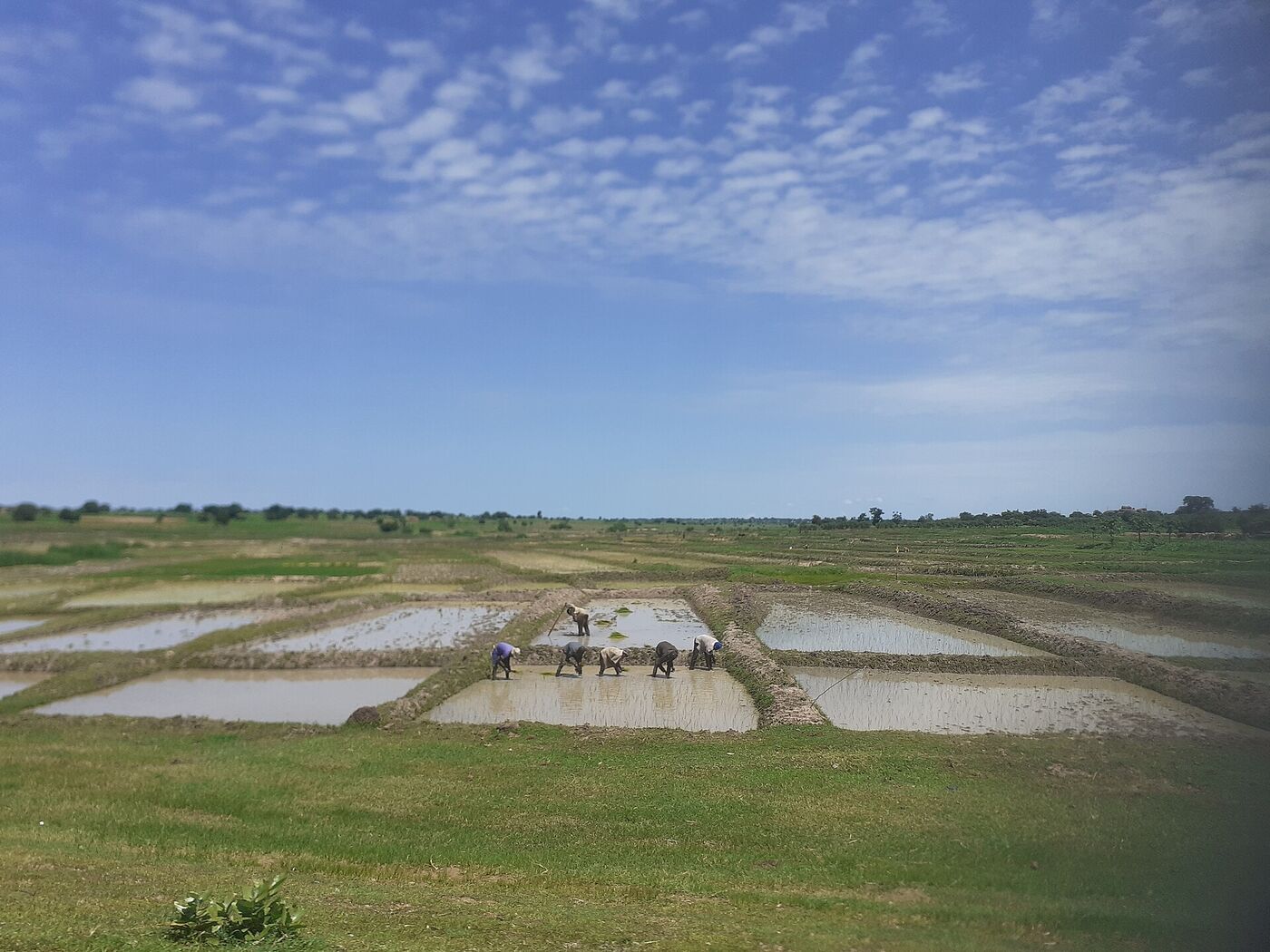
Agriculture is about 64% of Tabora Region’s economy, and most of it is not tobacco. Maize is the staple. Groundnuts, cassava, beans, rice, sunflower and cotton are the other main crops, grown on smallholdings across the seven councils; the rice fields in the valley bottoms are at their greenest after the rains. Zebu cattle are kept in the traditional way, as wealth and for milk and meat rather than for commercial ranching, and the Sukuma and Nyamwezi herds are large.
Where the gaps are
The region produces more than it processes. Groundnut oil, sunflower oil, maize milling, rice milling and cattle fattening are all done at small scale, and most crops leave the region raw. Storage is the other gap: the price difference between harvest and the lean season is large, and warehousing with proper drying and pest control pays for itself.
For a buyer or processor, Tabora offers volume close to a railway and a road to Mwanza and Dar es Salaam. See Opportunities.
In this section
Tobacco
Tanzania is Africa's second-largest tobacco producer and Tabora is where most of it grows.
Honey and forests
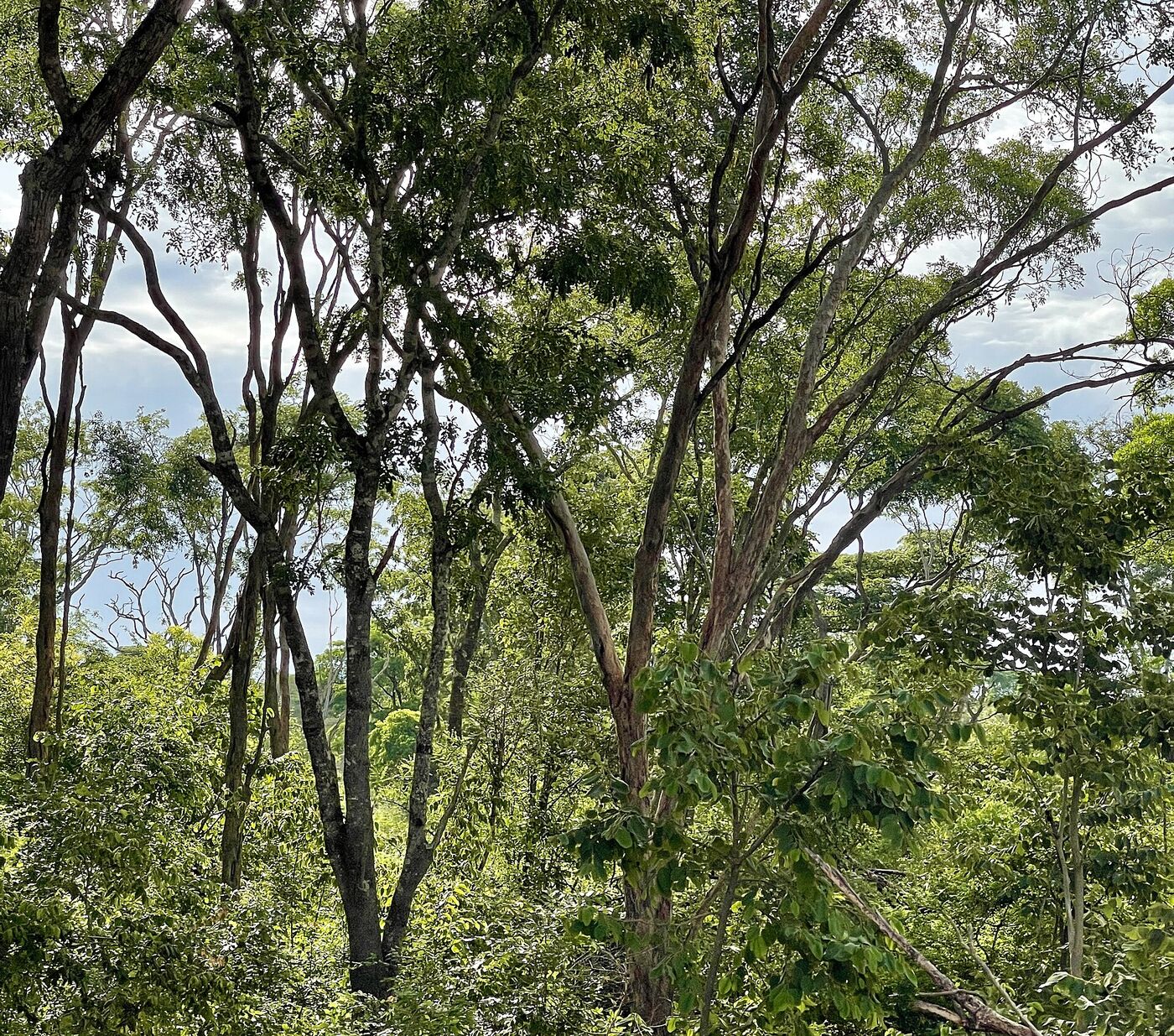
Close to half of Tabora Region is forest reserve, and its miombo woodland makes it Tanzania's largest honey producer.
Railway and logistics
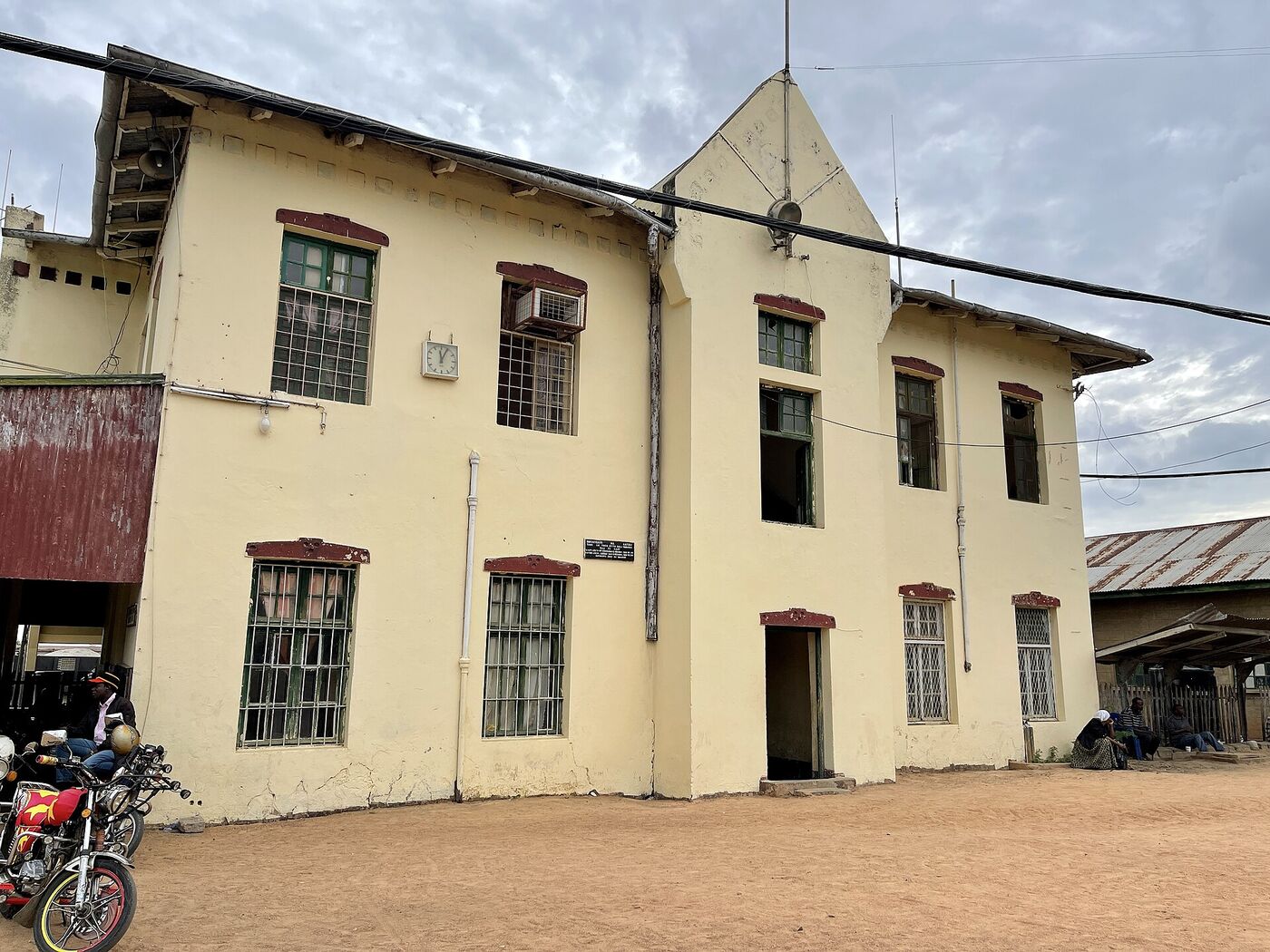
Tabora is the junction of the Central Line, and the standard-gauge railway is being built through it: to Mwanza, and from 2026 towards Kigoma.
Opportunities and who to contact
Where an investor, buyer or partner can add value in Tabora, and who to talk to.