Honey and forests
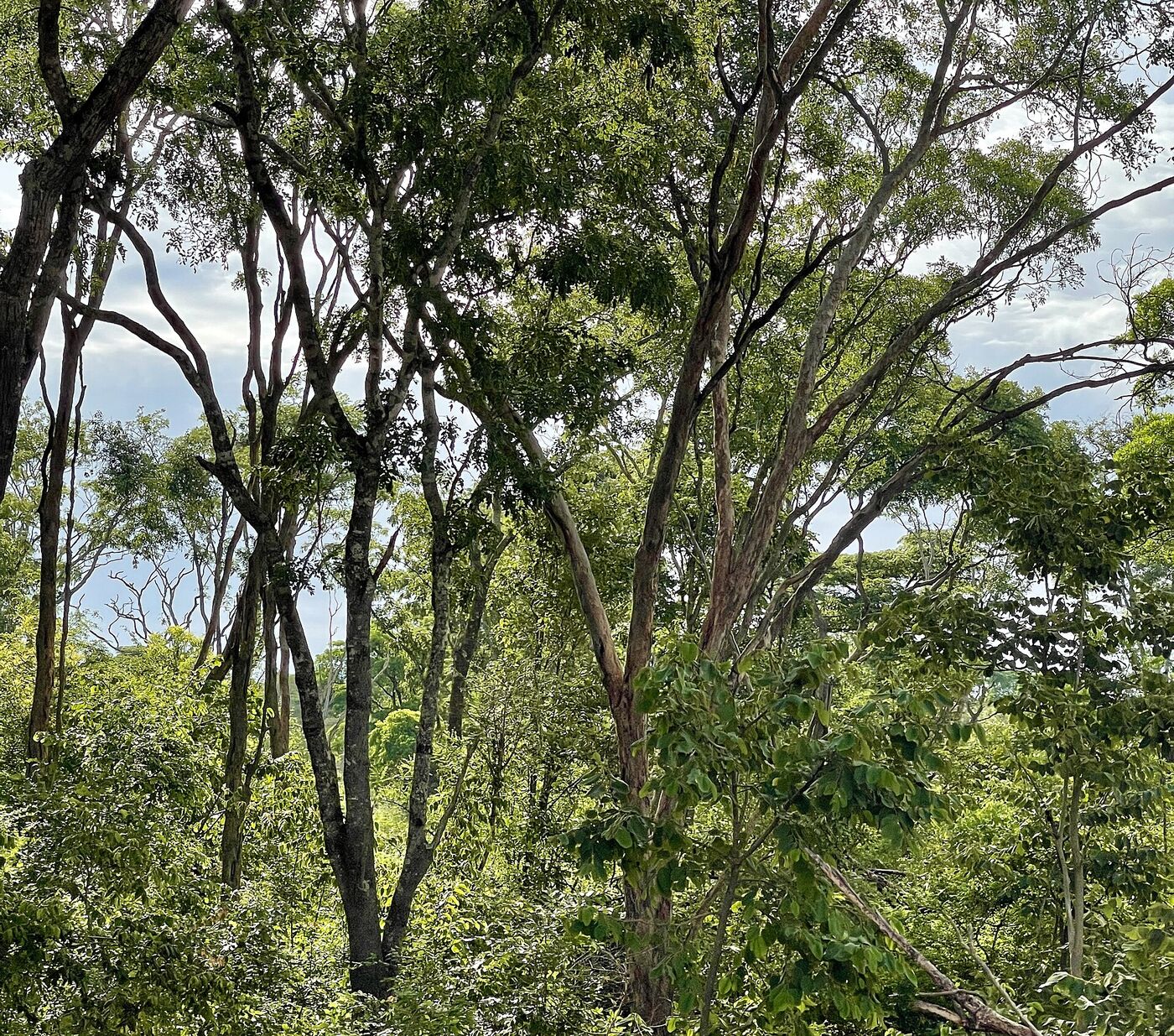
Close to half of Tabora Region is forest reserve, and its miombo woodland makes it Tanzania's largest honey producer.
Tanzania produced 33,276 tonnes of honey in 2024, and Tabora is described by the Tanzania Forest Service as the country’s largest producer, with roughly half of the national output. The reason is the miombo: the dry, open Brachystegia woodland that covers the forest reserves of Sikonge, Urambo, Kaliua and Uyui and flowers from the end of the dry season. Beekeeping there is a traditional craft, with log and bark hives hung in the trees, and a second income for thousands of households.
The quality is recognised. Tabora honey took second place at a continental honey competition in South Africa in 2023, and the Forest Service is investing in the value chain: processing, packaging and certification for export.
For investors
The opportunity is in processing and marketing rather than production: modern hives and training to raise yields and quality, collection and processing centres near the reserves, and branded, certified Tabora honey and beeswax for Tanzanian and export markets. The forest reserves themselves are also the basis of the region’s eco-tourism plans, from Igombe Dam to Ugalla River National Park.
In this section
Tobacco
Tanzania is Africa's second-largest tobacco producer and Tabora is where most of it grows.
Farming and livestock
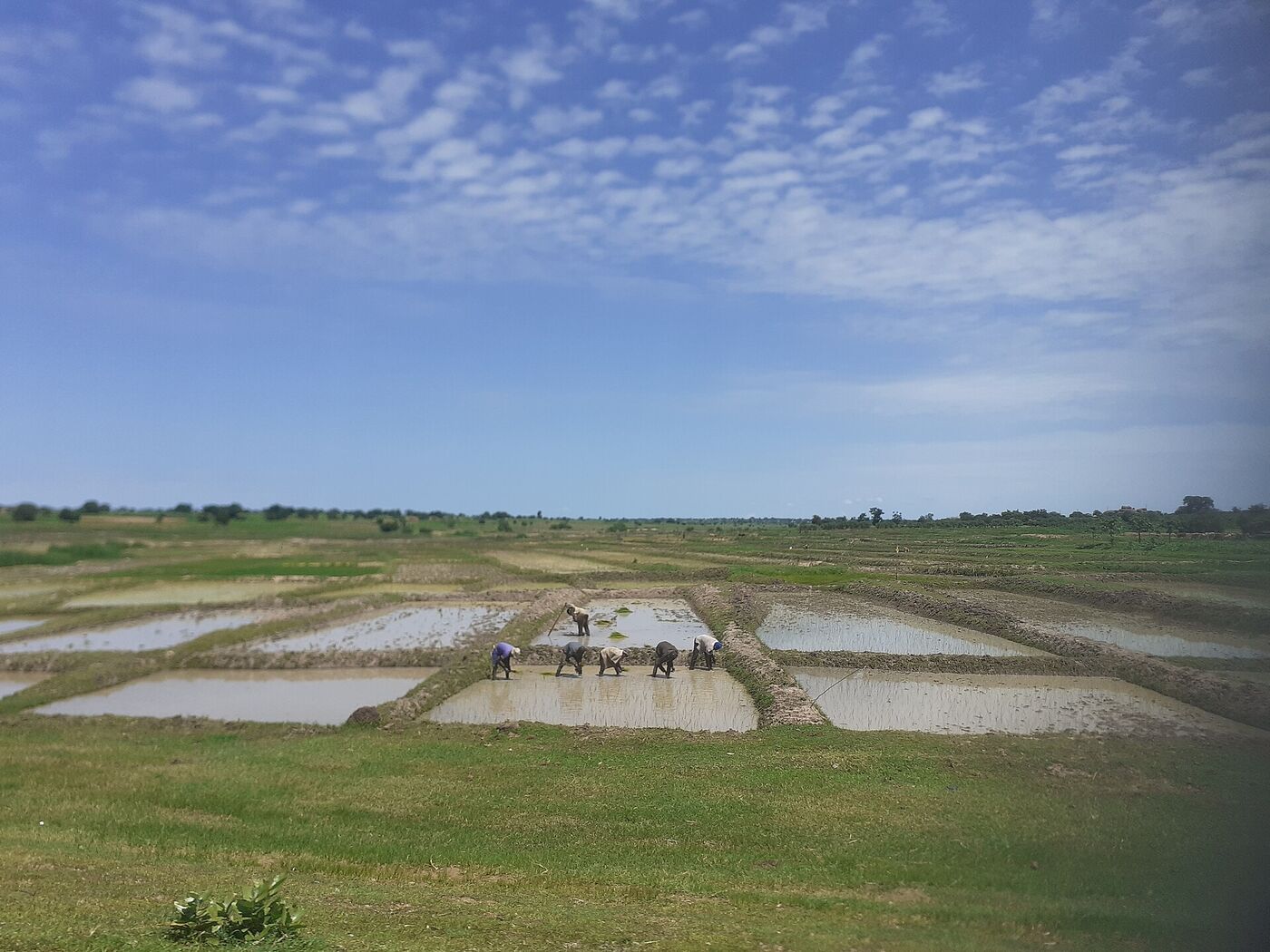
Maize, groundnuts, cassava, rice and cattle: the food economy behind the tobacco.
Railway and logistics
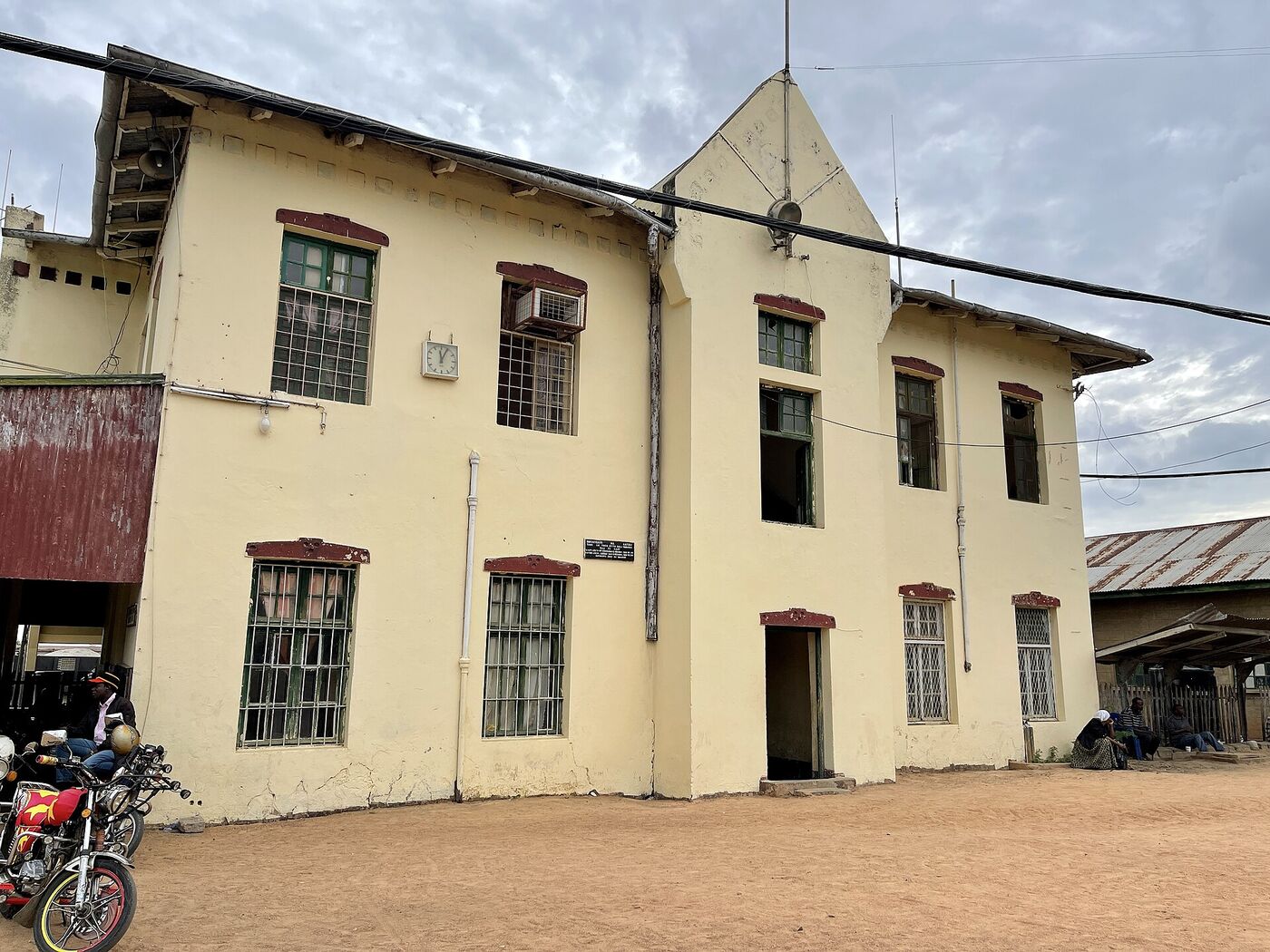
Tabora is the junction of the Central Line, and the standard-gauge railway is being built through it: to Mwanza, and from 2026 towards Kigoma.
Opportunities and who to contact
Where an investor, buyer or partner can add value in Tabora, and who to talk to.