Tobacco
Tanzania is Africa's second-largest tobacco producer and Tabora is where most of it grows.
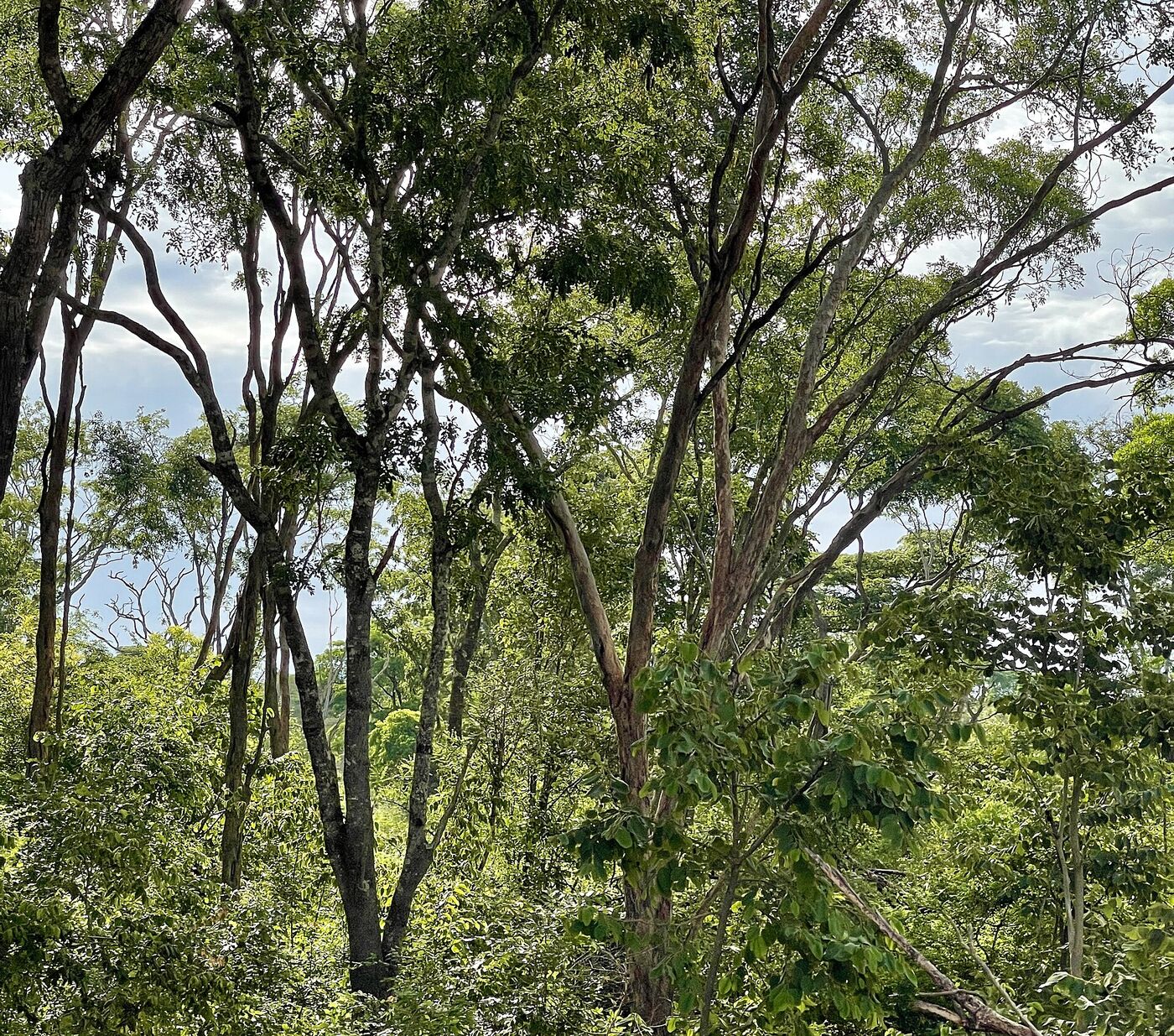
Tobacco is the cash crop of Tabora Region. Tanzania produced 122,858 tonnes in the 2023/24 season, second in Africa after Zimbabwe, set a target of 200,000 tonnes for 2024/25, and exported tobacco worth US$517 million in 2024. The flue-cured leaf that makes up most of that comes from the miombo belt of western Tanzania, and Tabora is its main growing region. In Urambo District alone, production rose from 11,208 tonnes in 2022 to 20,492 tonnes, earning farmers about US$50 million in the 2024/25 season.
How the trade works
Tobacco is grown by smallholder farmers organised in primary cooperative societies, the AMCOS, which group into unions. The leaf is graded and sold at the start of each season through contracts between the cooperatives and buyers. The buyers are the international leaf companies with processing operations in Tanzania and, alongside them, Tanzanian trading companies such as Agribora, which buy from the AMCOS, grade and bale the leaf, and sell it on to processors and export markets.
The season runs from planting at the start of the rains (November–December) to marketing from around April to August, when the roads to the buying centres are busy with trucks.
For buyers and investors
Tabora offers volume, an established cooperative system, grading expertise, and a railway and road link to Dar es Salaam port. The main constraints are the same as in any smallholder crop: curing-wood supply (hence the region’s interest in woodlots), transport in the rains, and the need for working capital at buying time. See Opportunities.
In this section
Honey and forests
Close to half of Tabora Region is forest reserve, and its miombo woodland makes it Tanzania's largest honey producer.
Farming and livestock
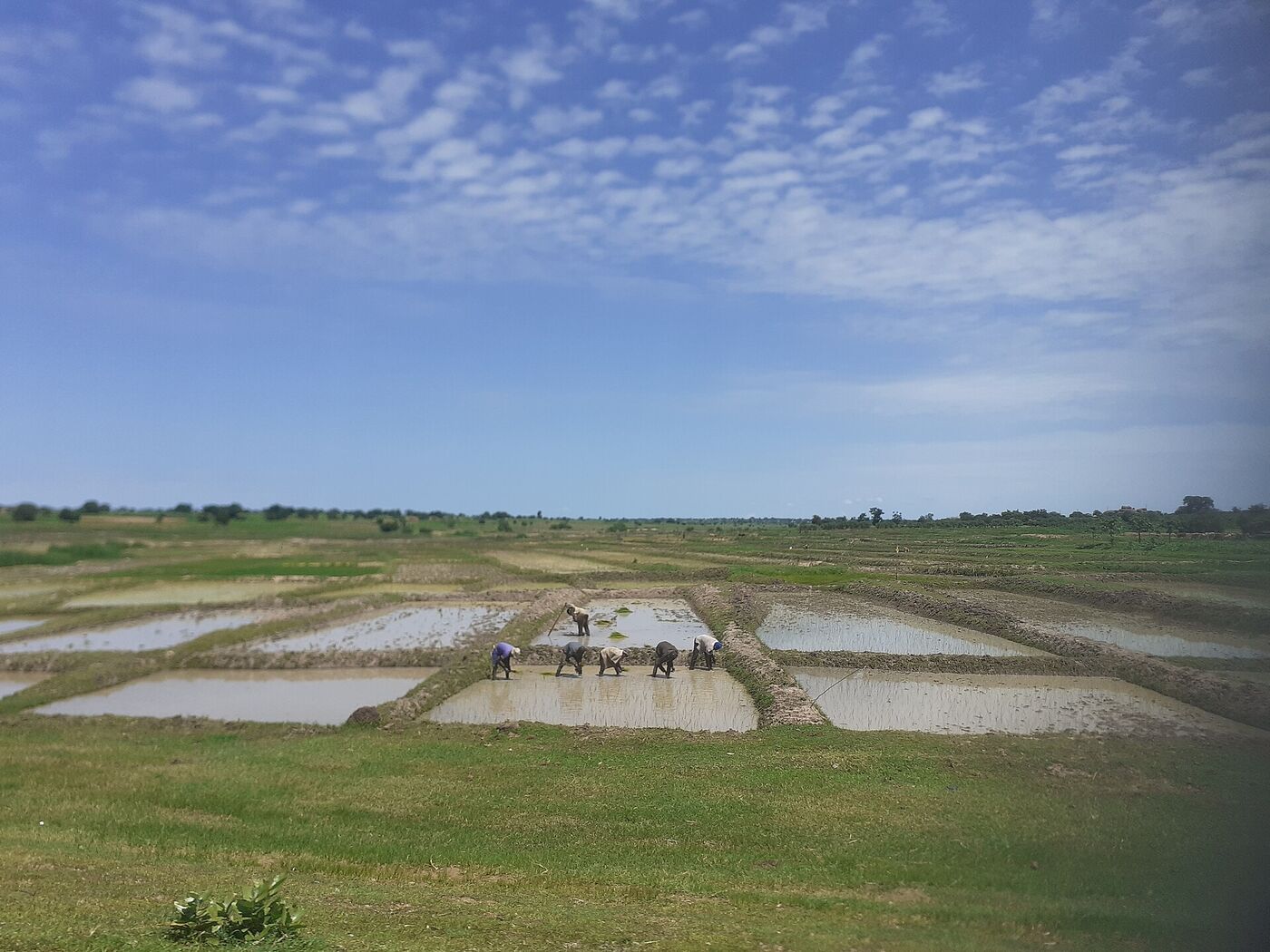
Maize, groundnuts, cassava, rice and cattle: the food economy behind the tobacco.
Railway and logistics
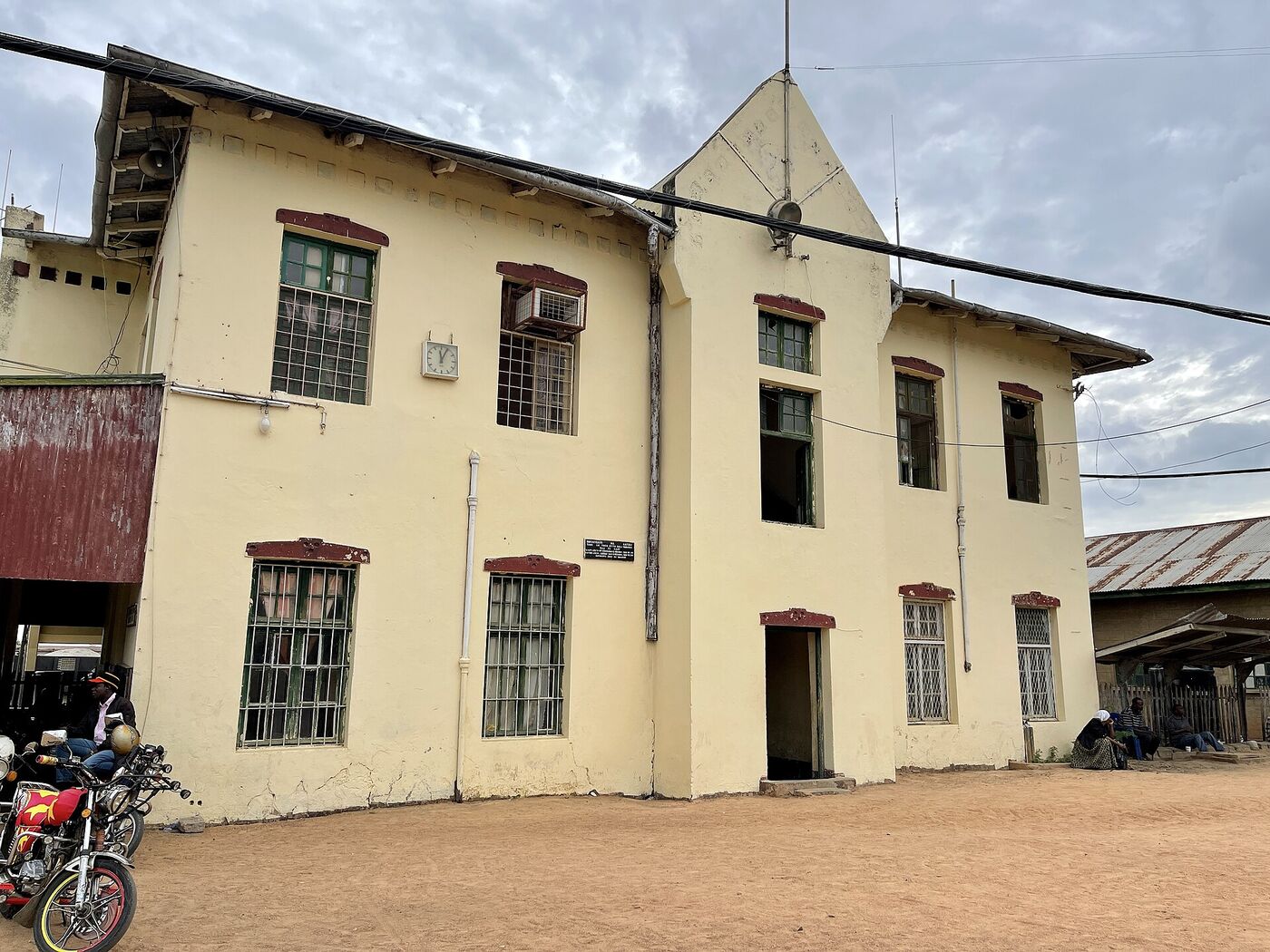
Tabora is the junction of the Central Line, and the standard-gauge railway is being built through it: to Mwanza, and from 2026 towards Kigoma.
Opportunities and who to contact
Where an investor, buyer or partner can add value in Tabora, and who to talk to.