History of Tabora
From the caravan town of Kazeh to the railway junction of independent Tanzania: two centuries in which Tabora was, for a while, the centre of the map.
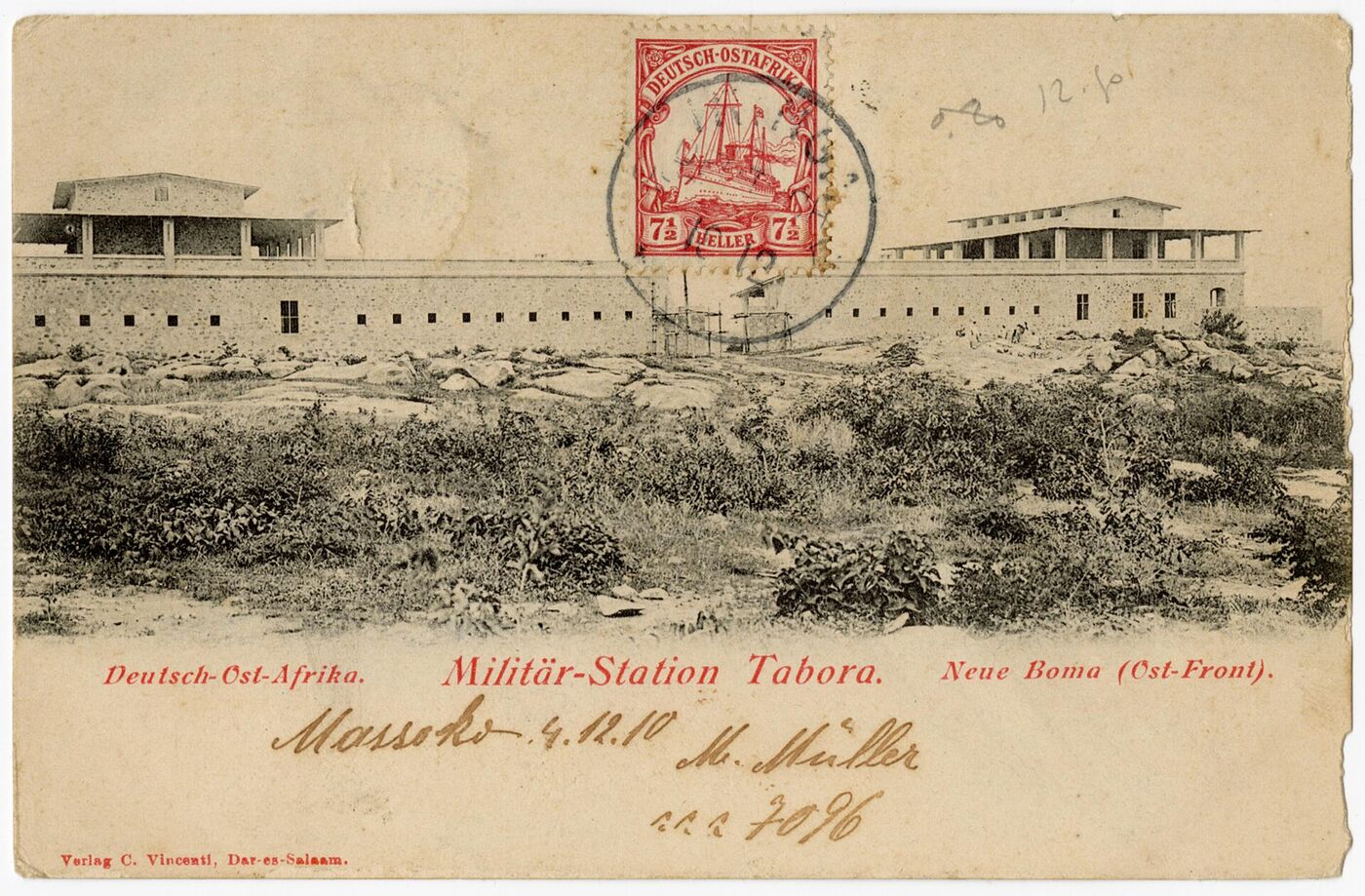
A short timeline
| 1830s | Traders from the Swahili coast settle in Unyanyembe, the Nyamwezi kingdom around today’s Tabora. |
| 1850s | Omani and Swahili merchants found Kazeh as the inland capital of the ivory and slave caravan route from Bagamoyo to Ujiji. |
| 1857 | Richard Burton and John Hanning Speke reach Kazeh on 7 November. |
| 1858 | Speke, travelling north from Kazeh, becomes the first European to see Lake Victoria (30 July). |
| 1871 | David Livingstone lives at Kwihara; Henry Stanley waits there while Mirambo’s war closes the road west. |
| 1872 | Livingstone and Stanley return to Kwihara together; they part there for good. |
| 1884 | Mirambo, ruler of Urambo and the most powerful of the Nyamwezi chiefs, dies. |
| 1891 | Germany takes control of Tabora. |
| 1893 | Chief Isike of Unyanyembe, defeated, blows himself up in his fort’s armoury (12 January). |
| 1912 | The Central Railway from Dar es Salaam reaches Tabora. |
| 1916 | Belgian troops capture Tabora on 19 September after ten days’ fighting. |
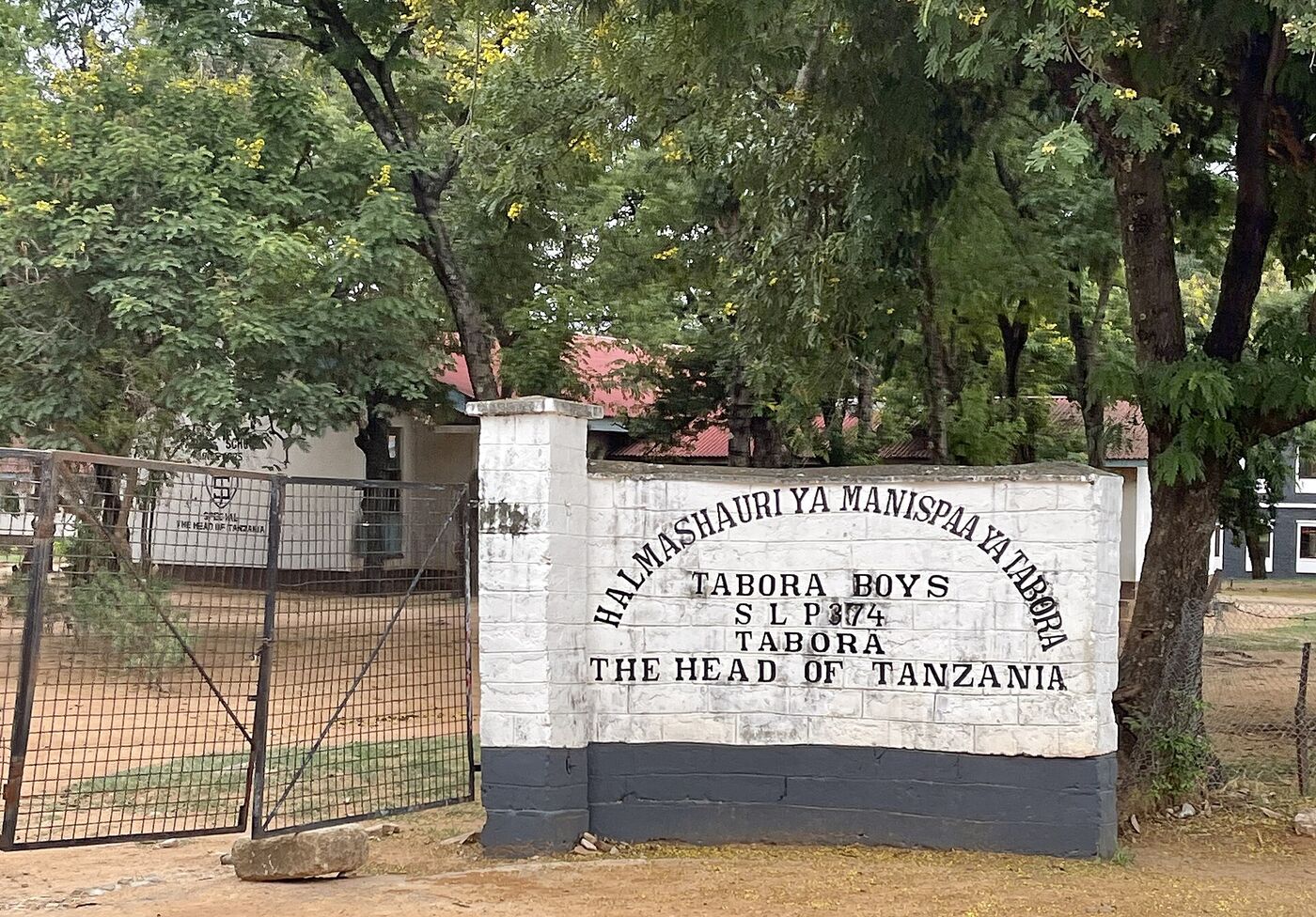
| 1922 | Tabora Boys School opens; Julius Nyerere will study there. |
| 1928 | Tabora Girls School opens; the Tabora–Mwanza railway is completed. |
| 1958 | Igombe Dam is built. |
| 1961 | Tanganyika becomes independent; five of its eight ministers are Tabora Boys alumni. |
| 2019 | Ugalla River and Kigosi become national parks. |
| 2026 | Construction of the Tabora–Kigoma standard-gauge railway begins. |
The articles
19th century
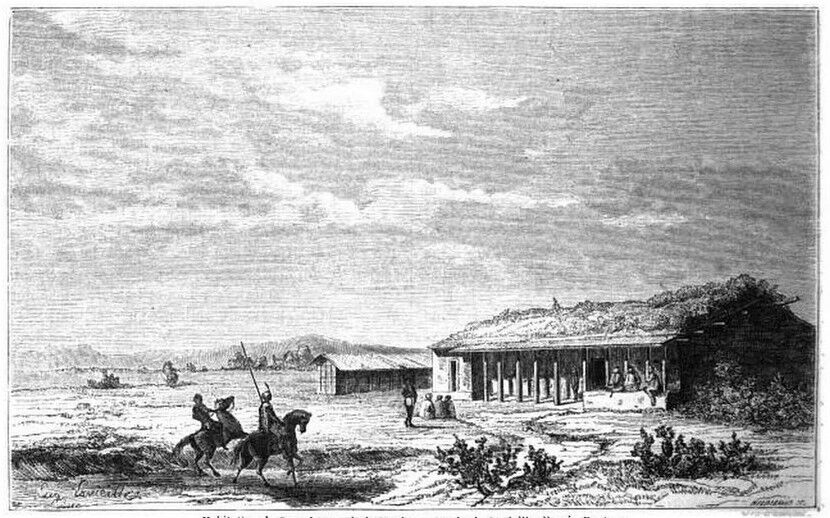
Kazeh and the caravan road
How Zanzibar's traders and the Nyamwezi porters made a town in the middle of Africa.
19th century
The explorers: Burton, Speke, Livingstone and Stanley
Four of the most famous journeys of the 19th century ran through Tabora.
19th century
Mirambo and Isike
The two Nyamwezi rulers who fought for control of the caravan country, against the Arabs and then against Germany.
1891–1916
German Tabora, the railway and the war
Twenty-five years in which Tabora got a Boma, a Kaiserhof, a railway station and a battle.
1922–1961
Tabora Boys and the road to independence
How a government school in Tabora produced the men who led Tanganyika to independence.