German Tabora, the railway and the war
Twenty-five years in which Tabora got a Boma, a Kaiserhof, a railway station and a battle.
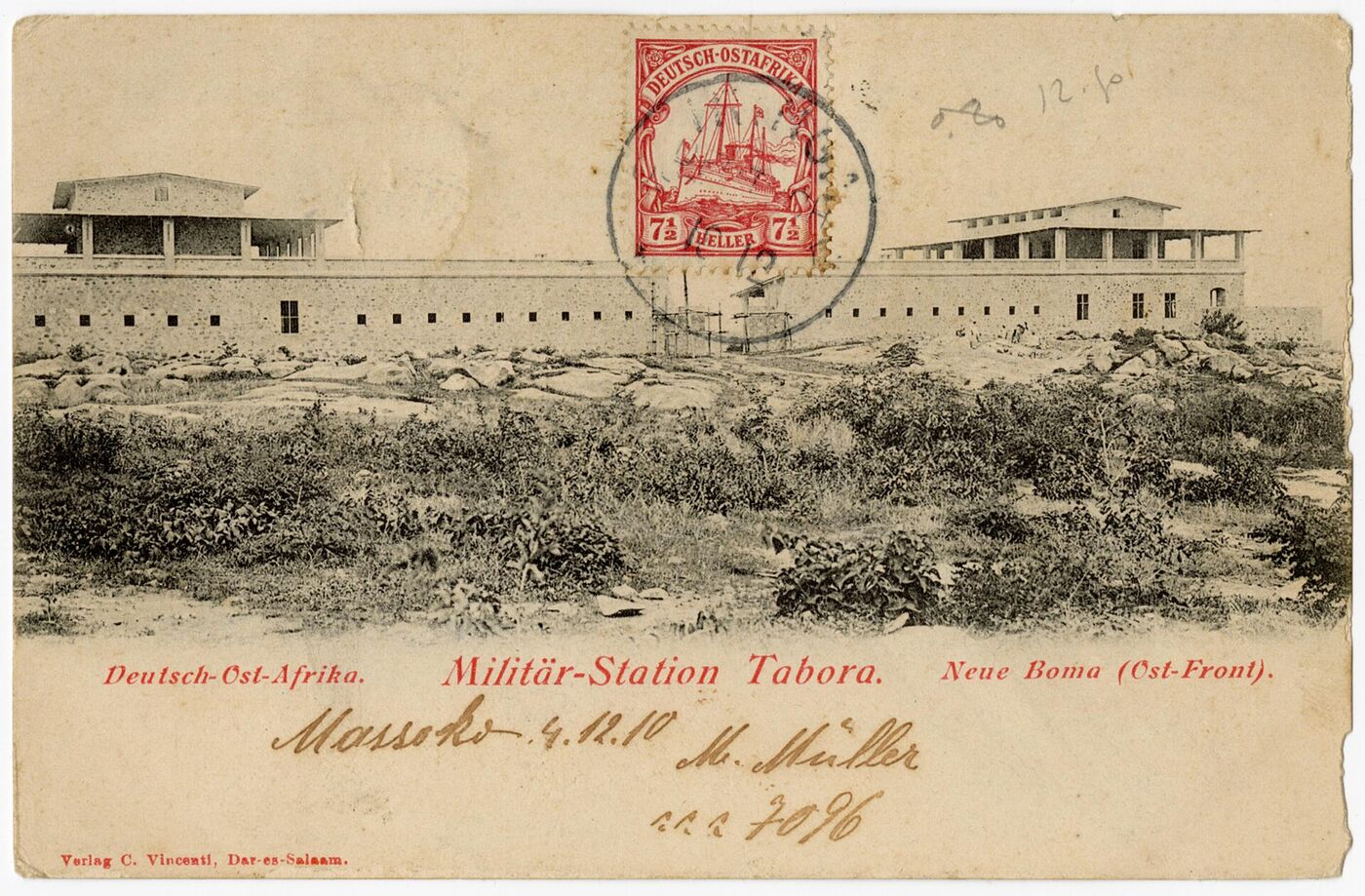
Germany proclaimed its protectorate over the mainland in 1885, but it was only after Isike’s defeat in 1893 that Tabora became German in practice. It was made the administrative centre of the central part of German East Africa, with a Boma (fort and offices) on the rise above the old town, officials’ houses, a Catholic mission, a market square and, between about 1900 and 1914, the Kaiserhof guesthouse that is now the Tabora Hotel. The Bundesarchiv photographs of this period show a tidy colonial town of whitewashed buildings set among the mango trees.
The decisive change was the railway. The Mittellandbahn, the Central Railway from Dar es Salaam, reached Tabora in 1912 and Kigoma on Lake Tanganyika in February 1914. In two years it ended the caravan trade that had made the town, and made Tabora instead a railway town, which it has been ever since.
The First World War reached Tabora in 1916. With the colony cut off, the Germans struck emergency coins here, the famous Tabora issues of 1916. In September, Belgian Force Publique troops advancing from the Congo fought the garrison for ten days and took the town on 19 September 1916. The Belgian flag flew over the Boma until the territory passed to British administration after the war.
Continue with Tabora Boys and the road to independence.
In this section
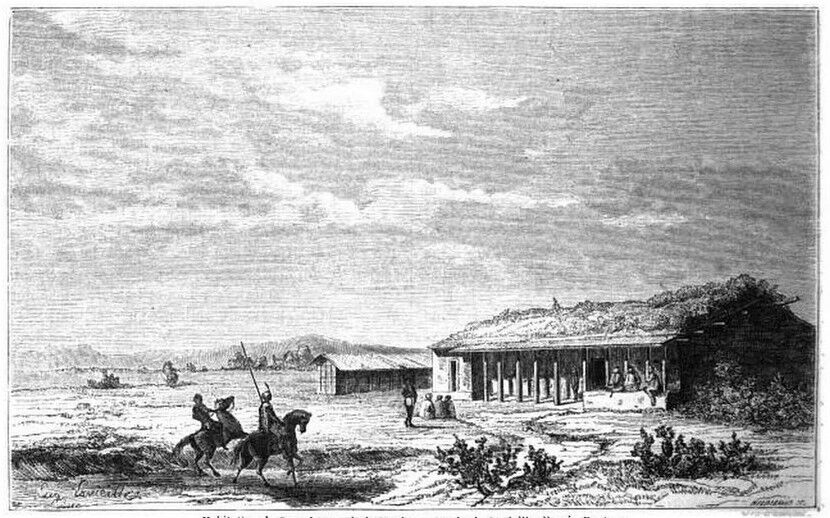
Kazeh and the caravan road
How Zanzibar's traders and the Nyamwezi porters made a town in the middle of Africa.
The explorers: Burton, Speke, Livingstone and Stanley
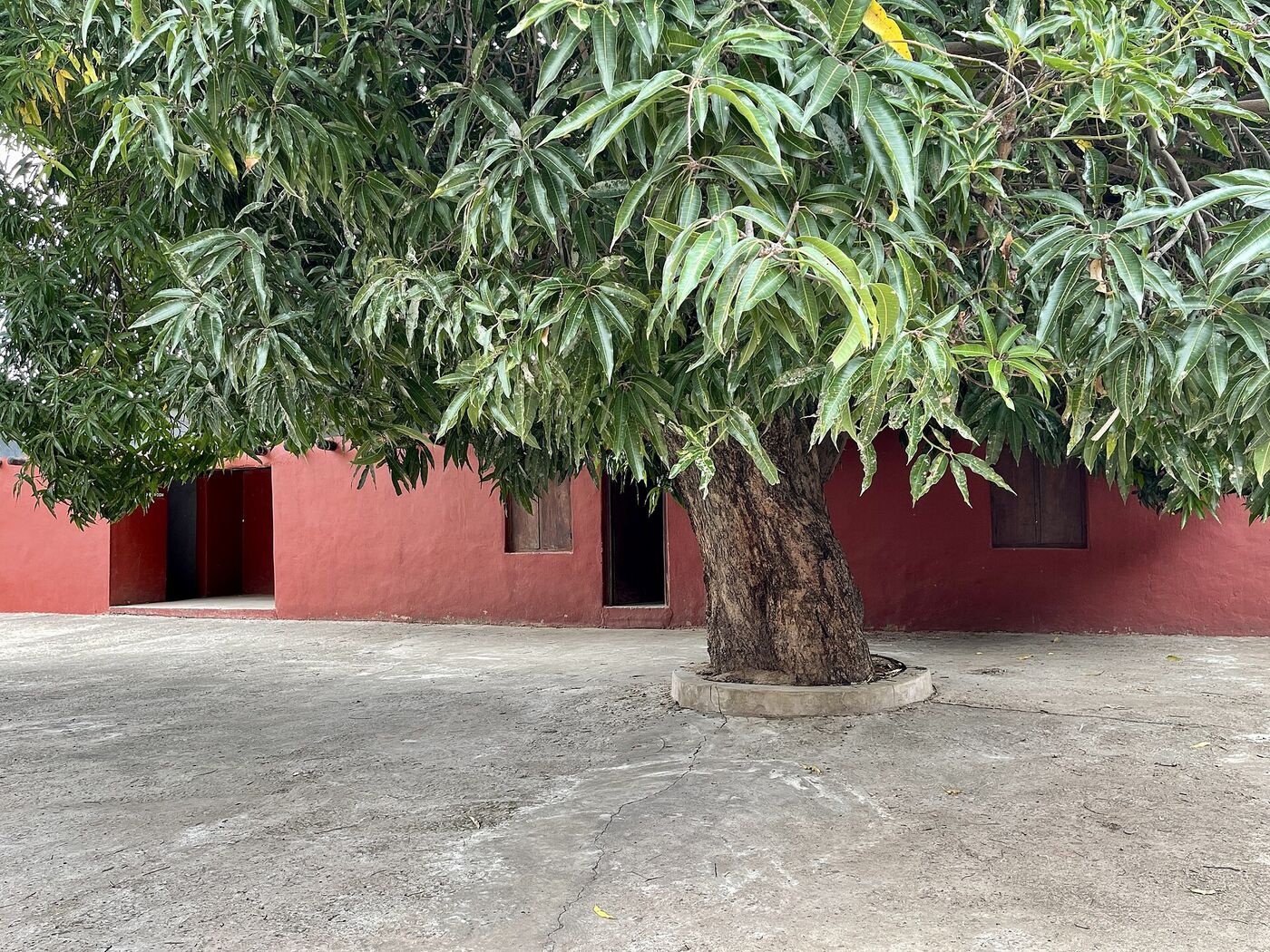
Four of the most famous journeys of the 19th century ran through Tabora.
Mirambo and Isike
The two Nyamwezi rulers who fought for control of the caravan country, against the Arabs and then against Germany.
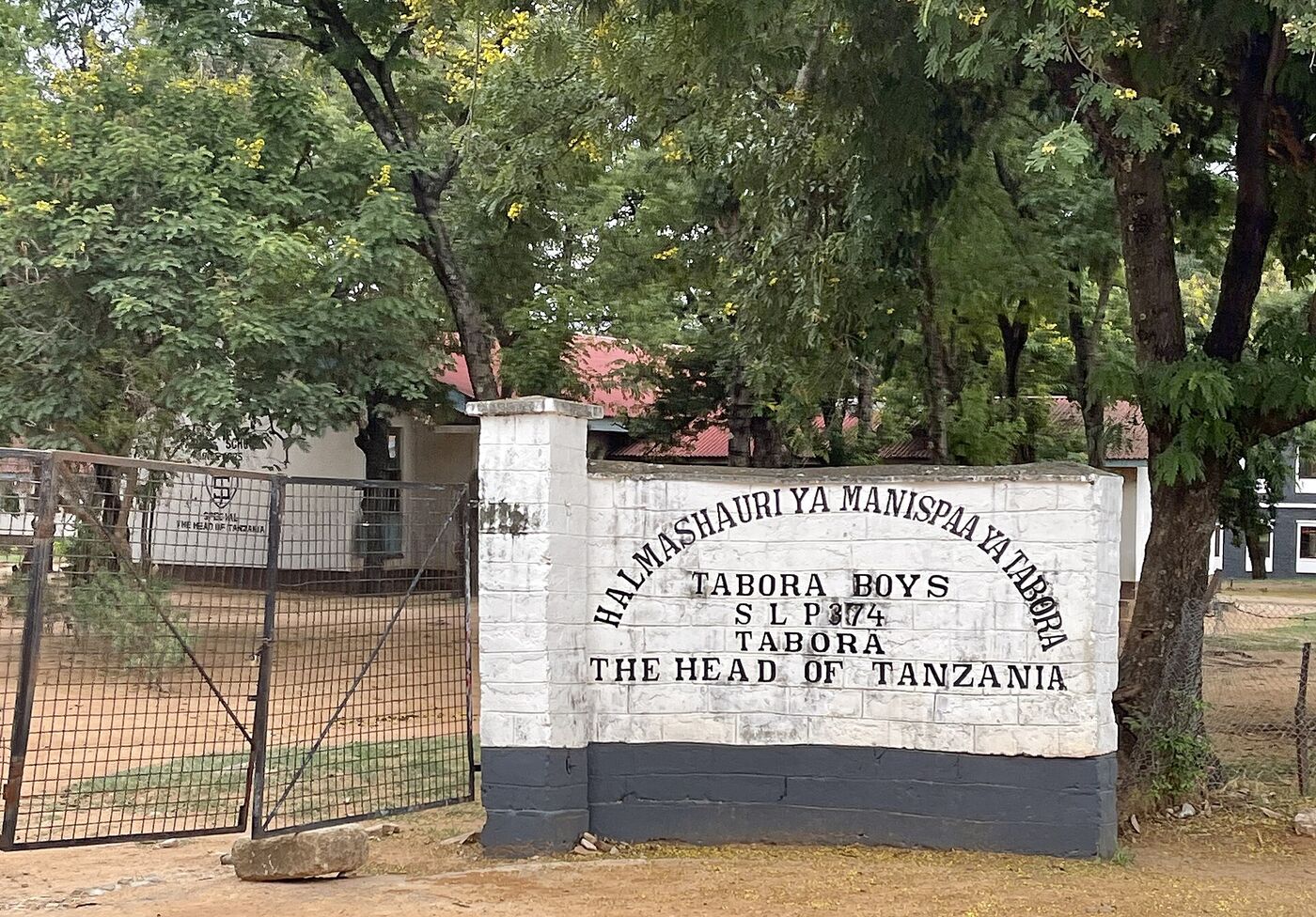
Tabora Boys and the road to independence
How a government school in Tabora produced the men who led Tanganyika to independence.