Kazeh and the caravan road
How Zanzibar's traders and the Nyamwezi porters made a town in the middle of Africa.
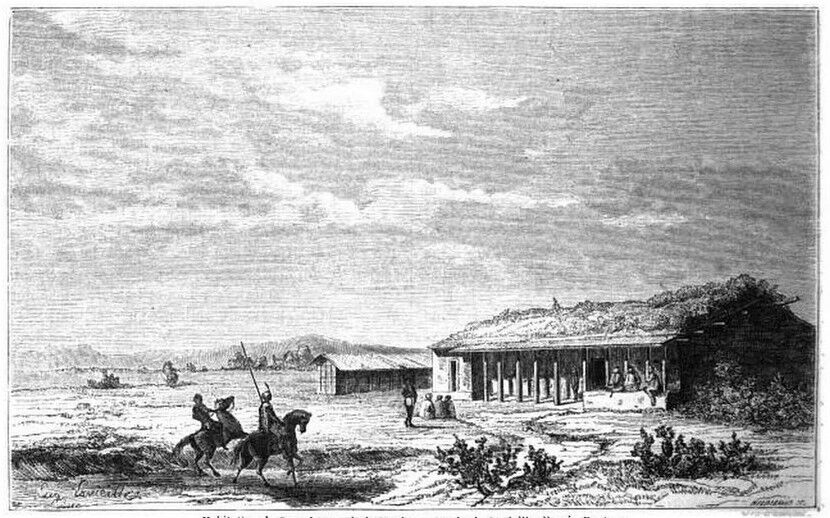
In the first half of the 19th century the ivory and slave trade of the Indian Ocean coast pushed inland along a road that ran from Bagamoyo, opposite Zanzibar, to Ujiji on Lake Tanganyika. Halfway along it lay Unyanyembe, the kingdom of the Nyamwezi. The Nyamwezi were the great carriers of East Africa: their men walked to the coast and back with the caravans, and their chiefs grew rich on the tolls.
Traders from the coast began settling in Unyanyembe in the early 1830s, and in the 1850s the Omani and Swahili merchants built Kazeh as their inland headquarters. It had the Sultan of Zanzibar’s representative, the houses of merchants such as Snay bin Amir, and by 1870 a population of five to ten thousand. Every caravan rested and resupplied here before the long haul to the lake or the long haul home.
That is why every European traveller of the period came through. Burton and Speke in 1857, Speke and Grant on the way to the source of the Nile, Livingstone, Stanley, Cameron: all of them wrote about Kazeh, and all of them depended on its Arab hosts. The town that grew beside it took the name Tabora, said to come from the Nyamwezi word for the sweet potato.
The trade that made Kazeh was built on slaves as well as ivory. Livingstone’s Tembe at Kwihara, with its exhibits on the slave route, is the place to remember that.
Continue with The explorers.
In this section
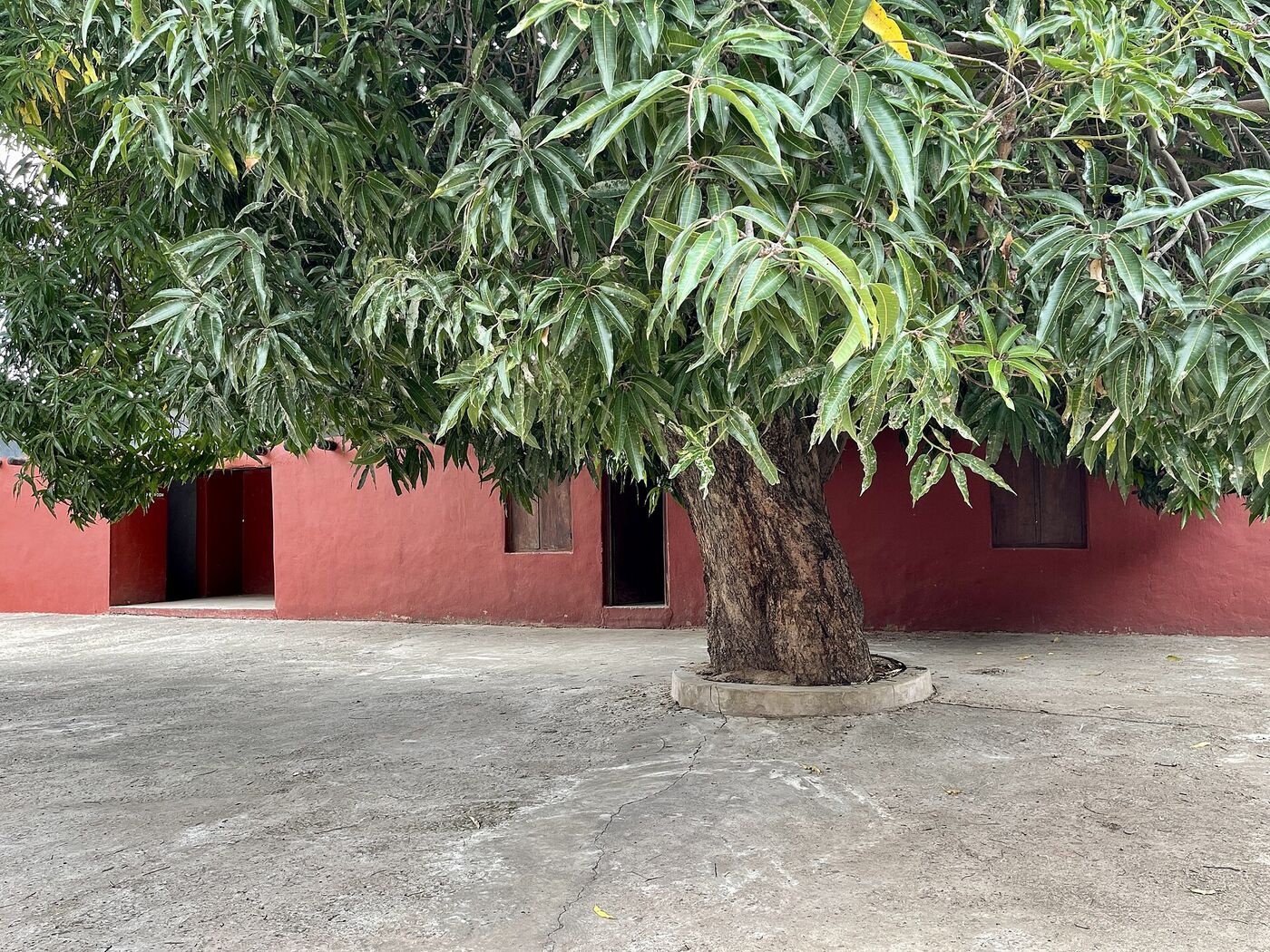
The explorers: Burton, Speke, Livingstone and Stanley
Four of the most famous journeys of the 19th century ran through Tabora.
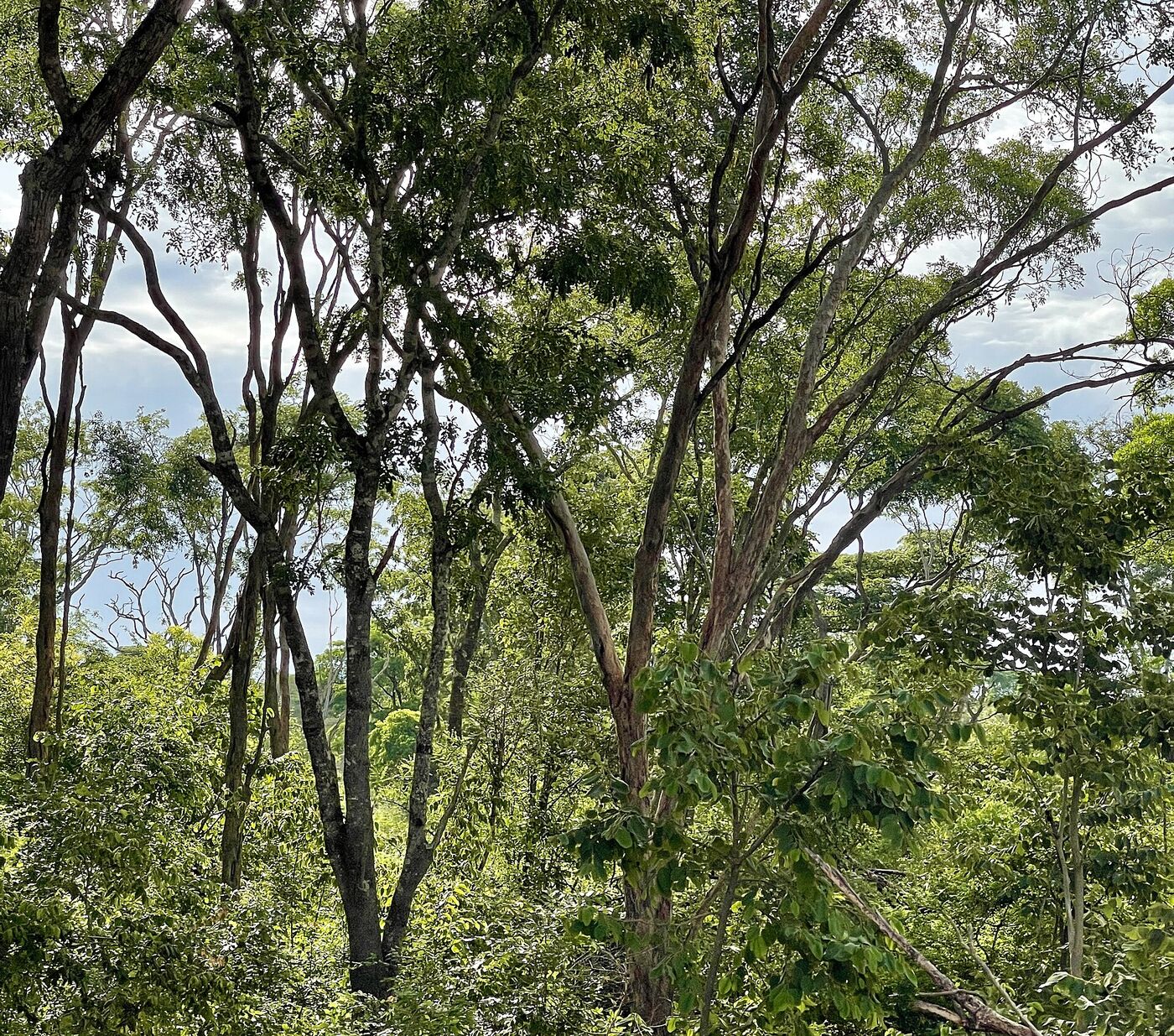
Mirambo and Isike
The two Nyamwezi rulers who fought for control of the caravan country, against the Arabs and then against Germany.
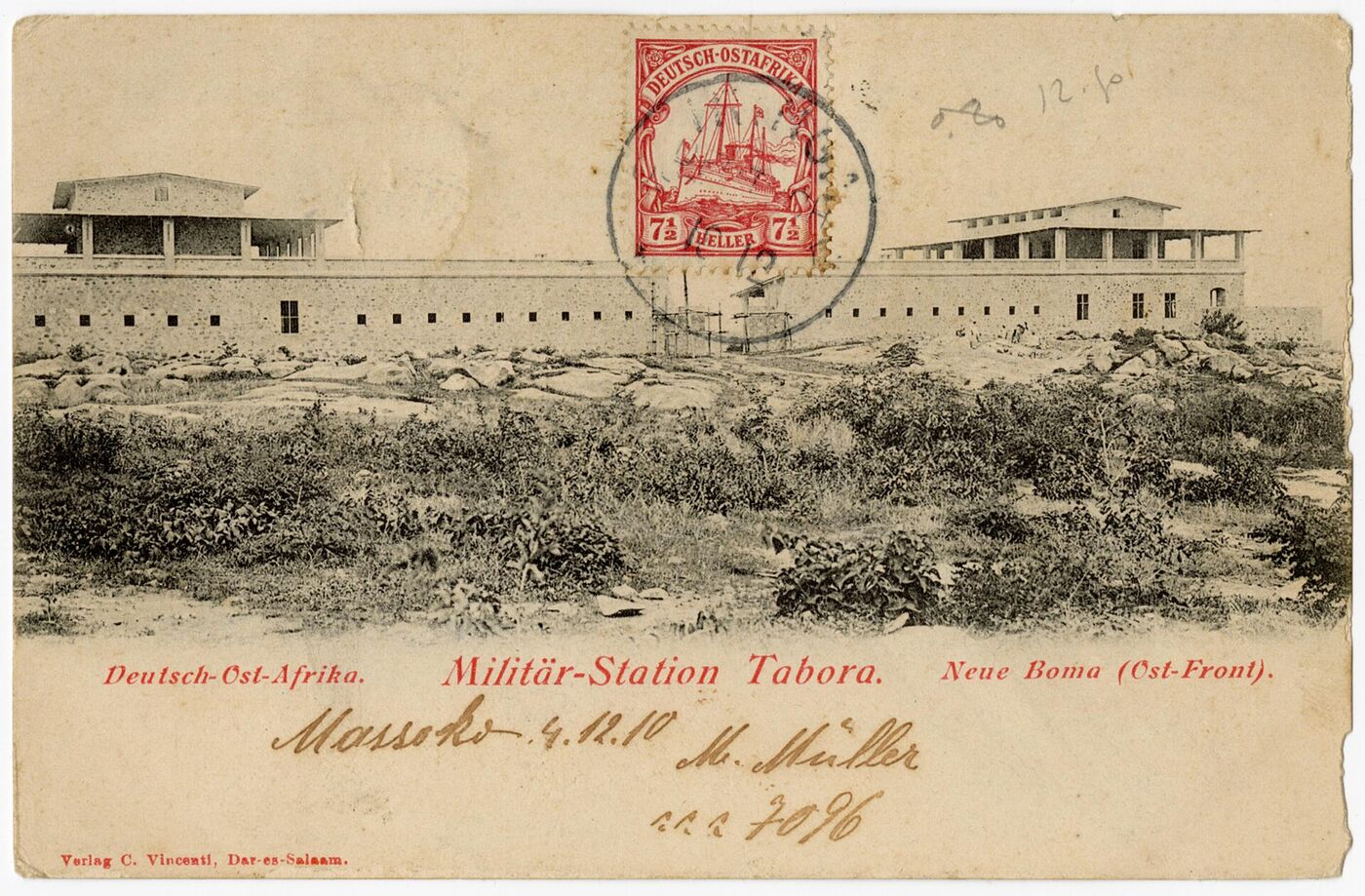
German Tabora, the railway and the war
Twenty-five years in which Tabora got a Boma, a Kaiserhof, a railway station and a battle.
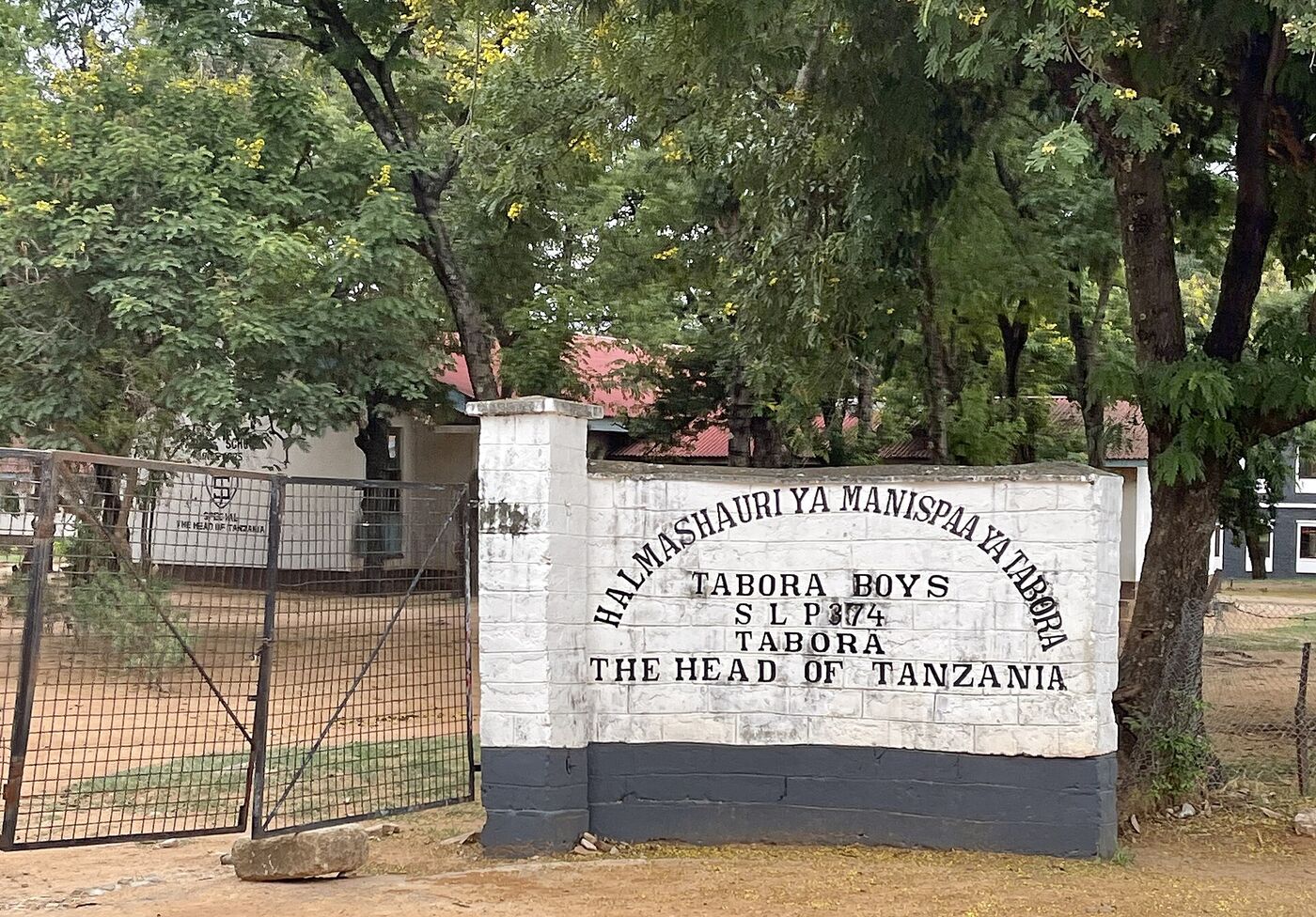
Tabora Boys and the road to independence
How a government school in Tabora produced the men who led Tanganyika to independence.