Mirambo and Isike
The two Nyamwezi rulers who fought for control of the caravan country, against the Arabs and then against Germany.
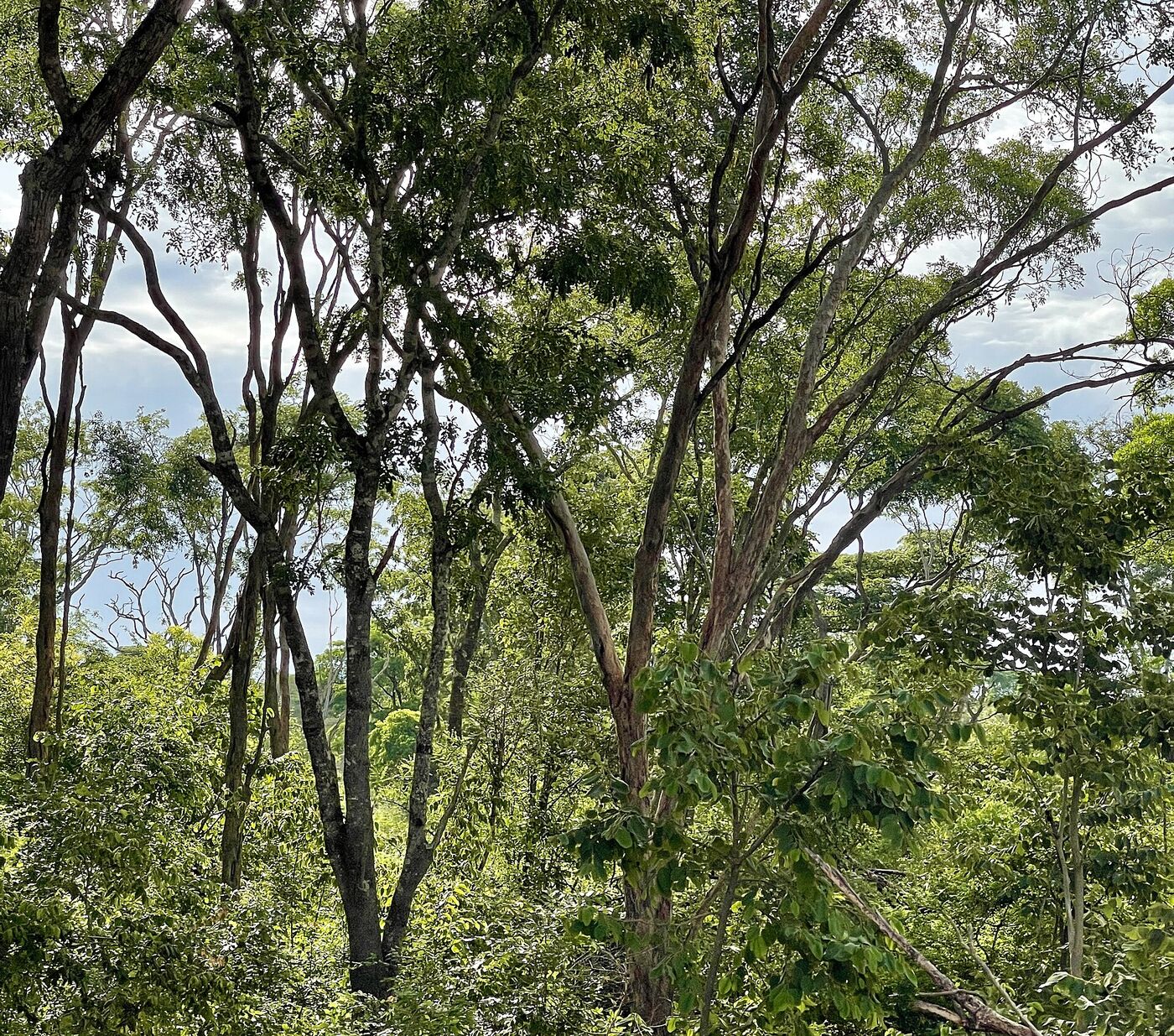
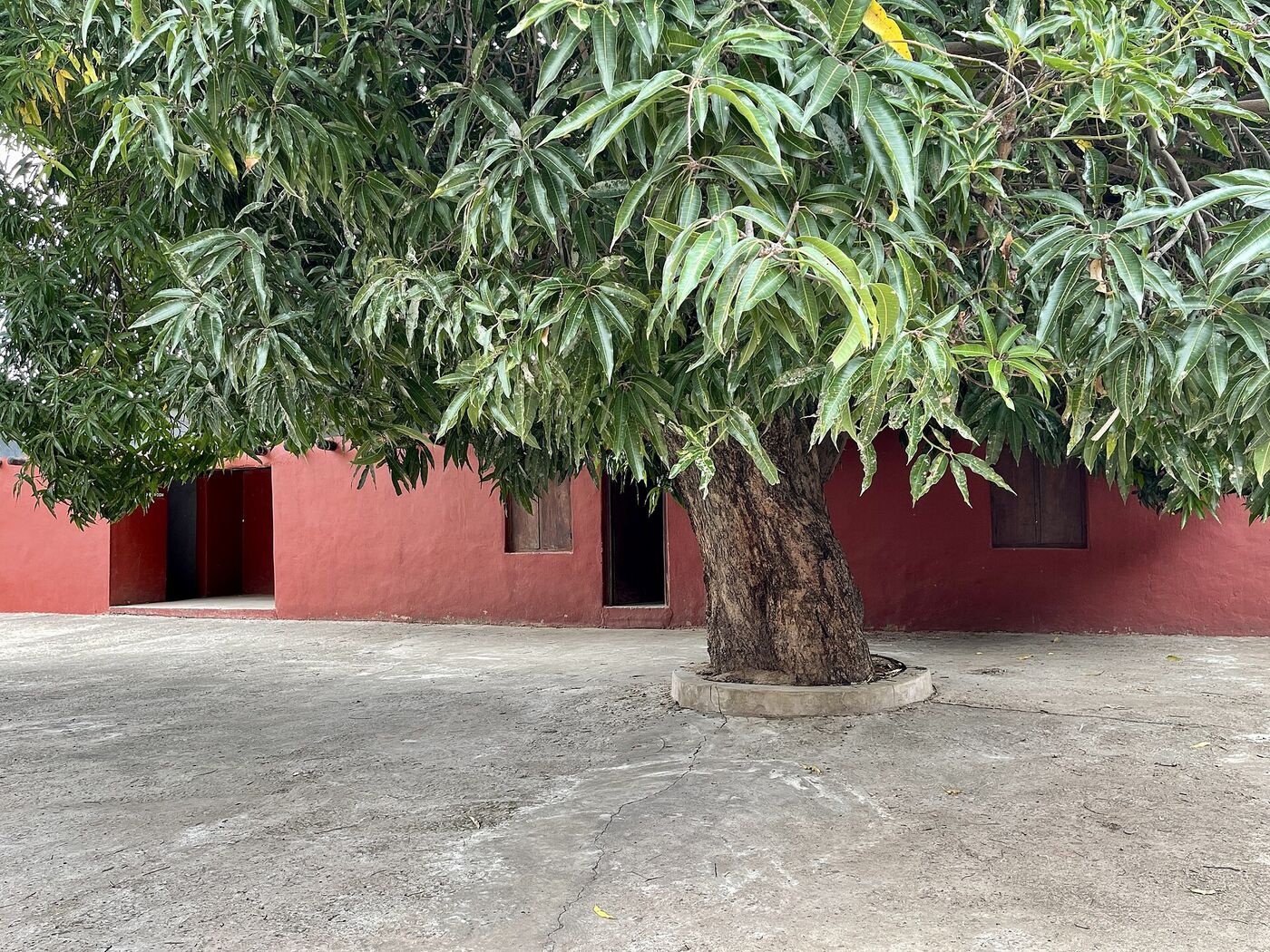
Mirambo (about 1840–1884) was the ruler of Urambo, west of Tabora, from 1860. Starting from a small chiefdom he built, by force and by diplomacy, the most powerful state in the region, with an army of ruga-ruga fighters and control of the routes to the lakes. From 1871 he fought the Arab traders of Tabora over the tolls of the caravan road, and in August 1871 he burned about a quarter of the town, though he never took it. It was this war that held Stanley at Kwihara. Mirambo was called the “Napoleon of Central Africa” by Stanley and others; he died in 1884, and his state did not long survive him. King Mirambo Avenue, under its mango trees, is named for him.
Isike was chief of Unyanyembe, the kingdom that contained Tabora itself. When the Germans arrived in 1891 he refused to submit and fought them for two years from his fortified capital. Defeated in a final assault in January 1893, he blew himself up in the fort’s gunpowder store on 12 January rather than be captured. Germany took full control of Tabora from that date.
Continue with German Tabora and the railway.
In this section
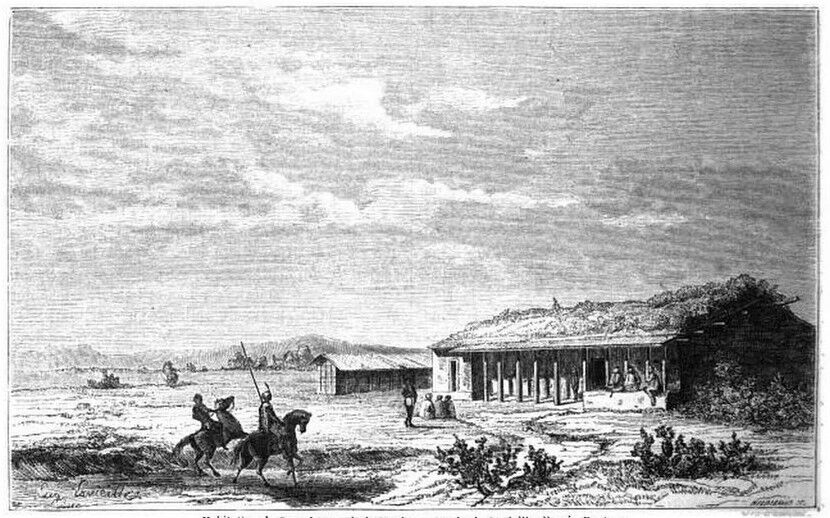
Kazeh and the caravan road
How Zanzibar's traders and the Nyamwezi porters made a town in the middle of Africa.
The explorers: Burton, Speke, Livingstone and Stanley
Four of the most famous journeys of the 19th century ran through Tabora.
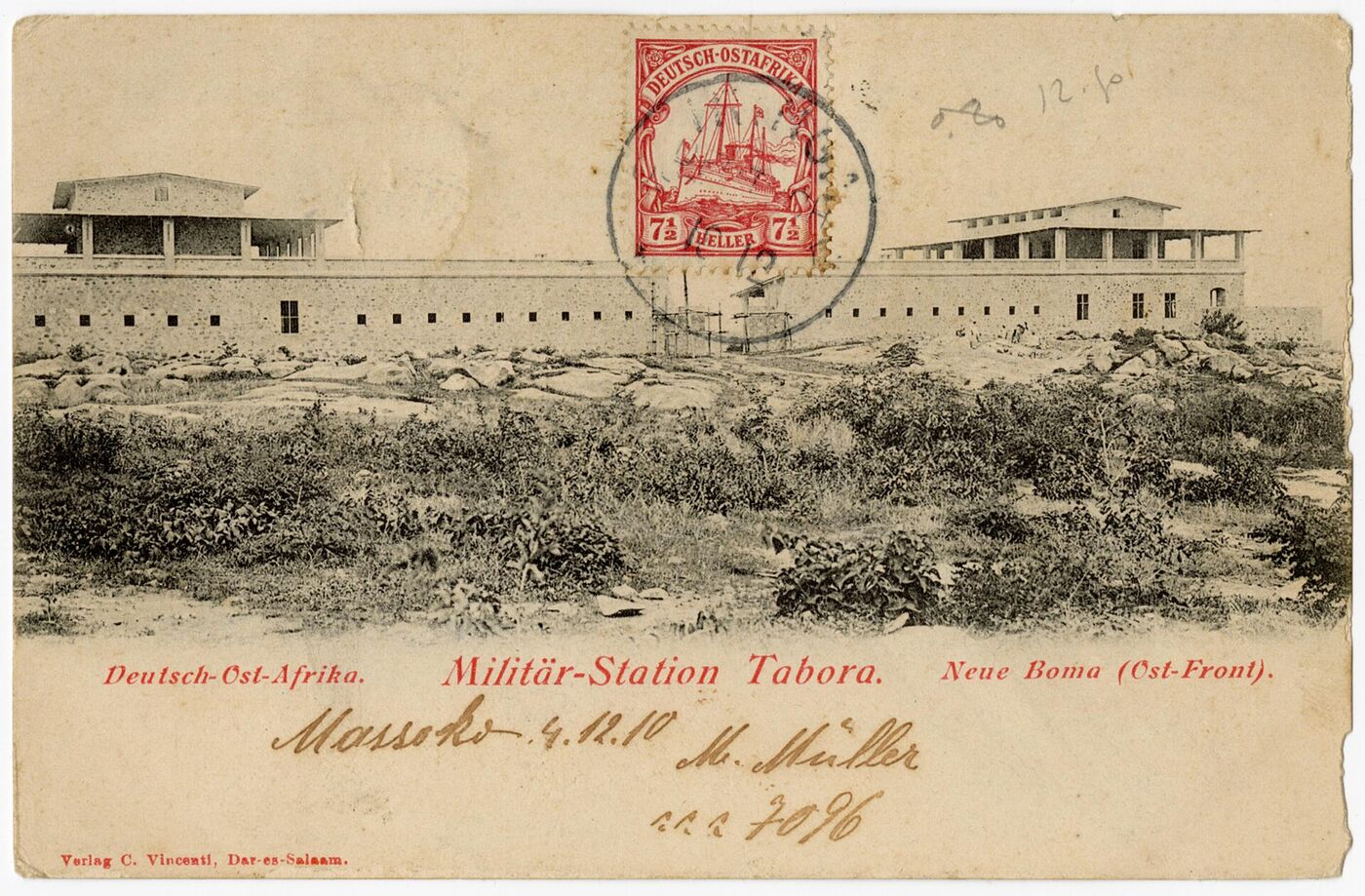
German Tabora, the railway and the war
Twenty-five years in which Tabora got a Boma, a Kaiserhof, a railway station and a battle.
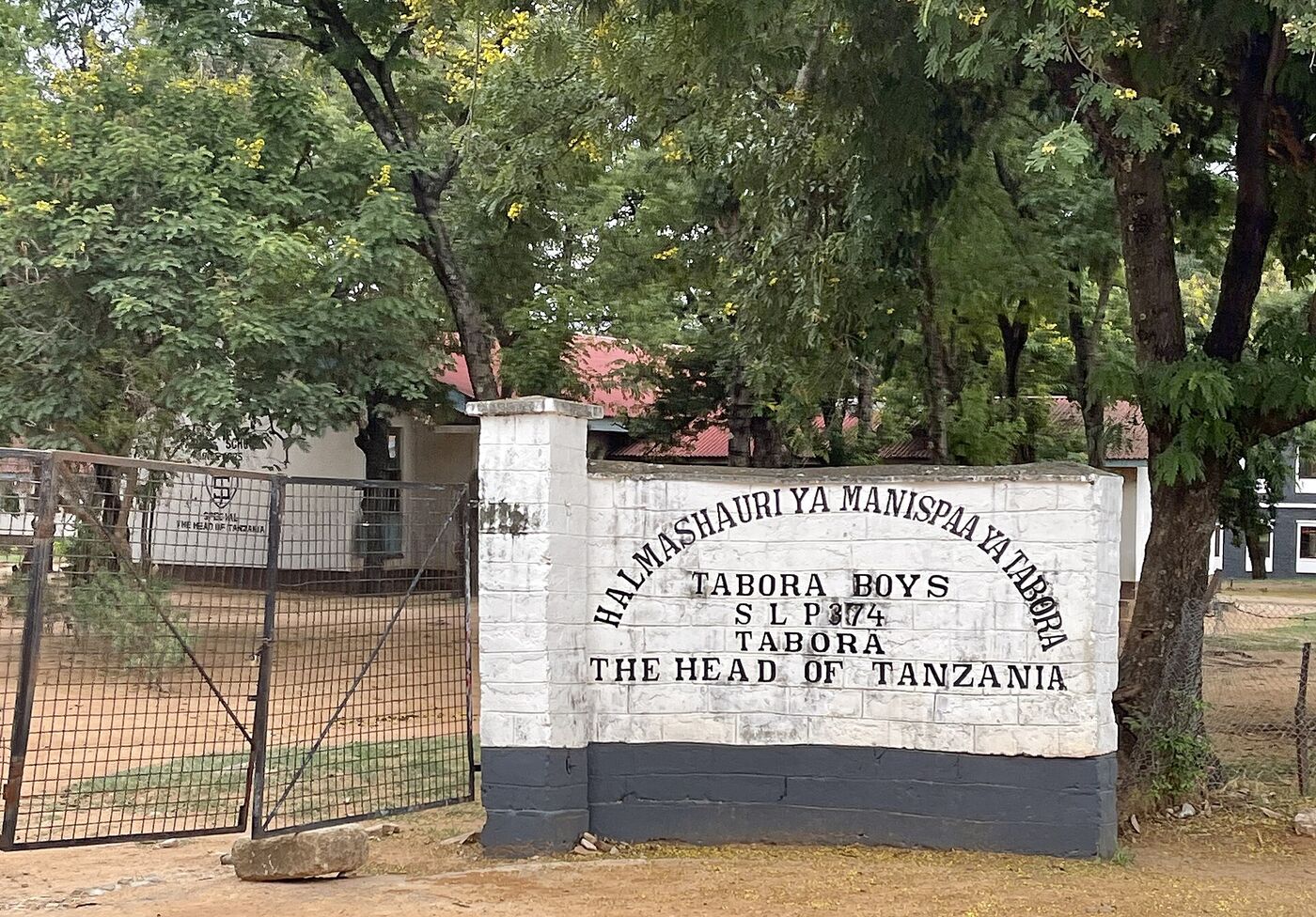
Tabora Boys and the road to independence
How a government school in Tabora produced the men who led Tanganyika to independence.