Tabora Boys and the road to independence
How a government school in Tabora produced the men who led Tanganyika to independence.
Under British rule after 1919, Tabora stayed what the Germans had made it: a railway junction and a provincial capital. The British built the branch line from Tabora to Mwanza on Lake Victoria between 1923 and 1928, and in 1958 the Igombe Dam to give the town a secure water supply.
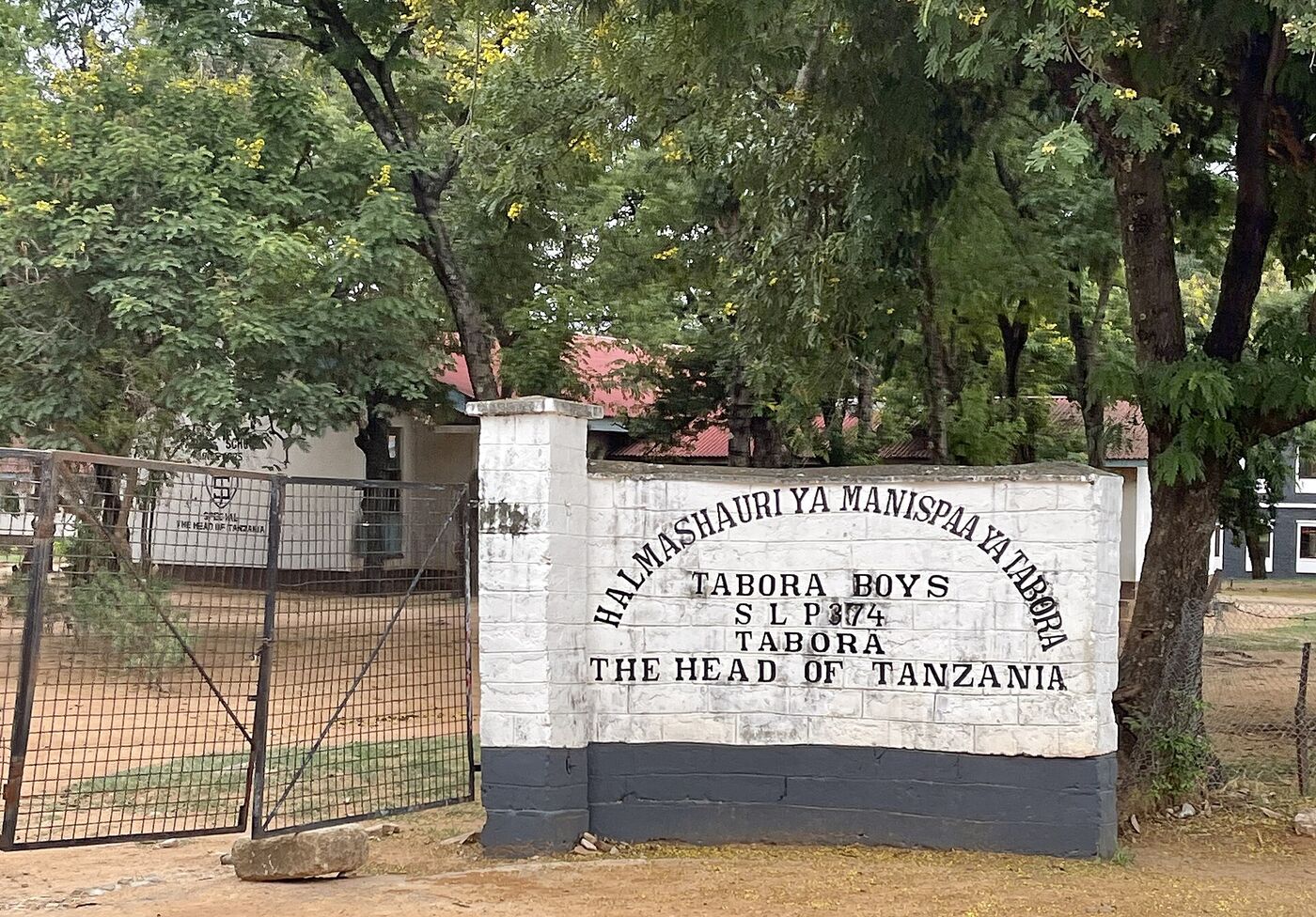
Its lasting gift to the country was a school. Tabora Boys, opened in 1922 as the government secondary school, was meant to educate the sons of chiefs and became instead the training ground of a national elite. Julius Nyerere studied here before Makerere and Edinburgh; so did Rashidi Kawawa. When Tanganyika became independent in December 1961, five of the eight ministers in its first cabinet, Nyerere’s among them, were old boys of Tabora. Tabora Girls, opened in 1928, played the same role for women.
Both schools are still there, in their big grounds in Kitete, and both are on the places to see.
The town’s later history is the story of its economy: tobacco from the 1950s onward, the central line’s decline and now its rebirth as the standard-gauge railway, and the honey of the miombo woodland. That story continues in Economy & invest.
In this section
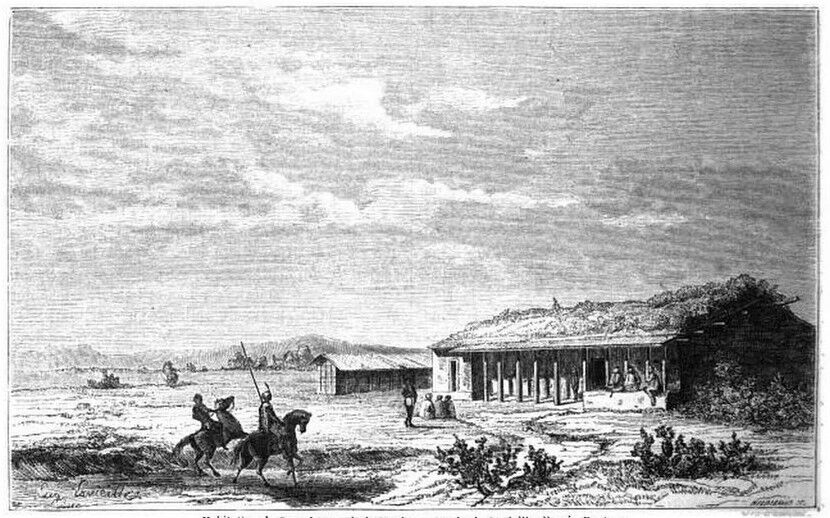
Kazeh and the caravan road
How Zanzibar's traders and the Nyamwezi porters made a town in the middle of Africa.
The explorers: Burton, Speke, Livingstone and Stanley
Four of the most famous journeys of the 19th century ran through Tabora.
Mirambo and Isike
The two Nyamwezi rulers who fought for control of the caravan country, against the Arabs and then against Germany.
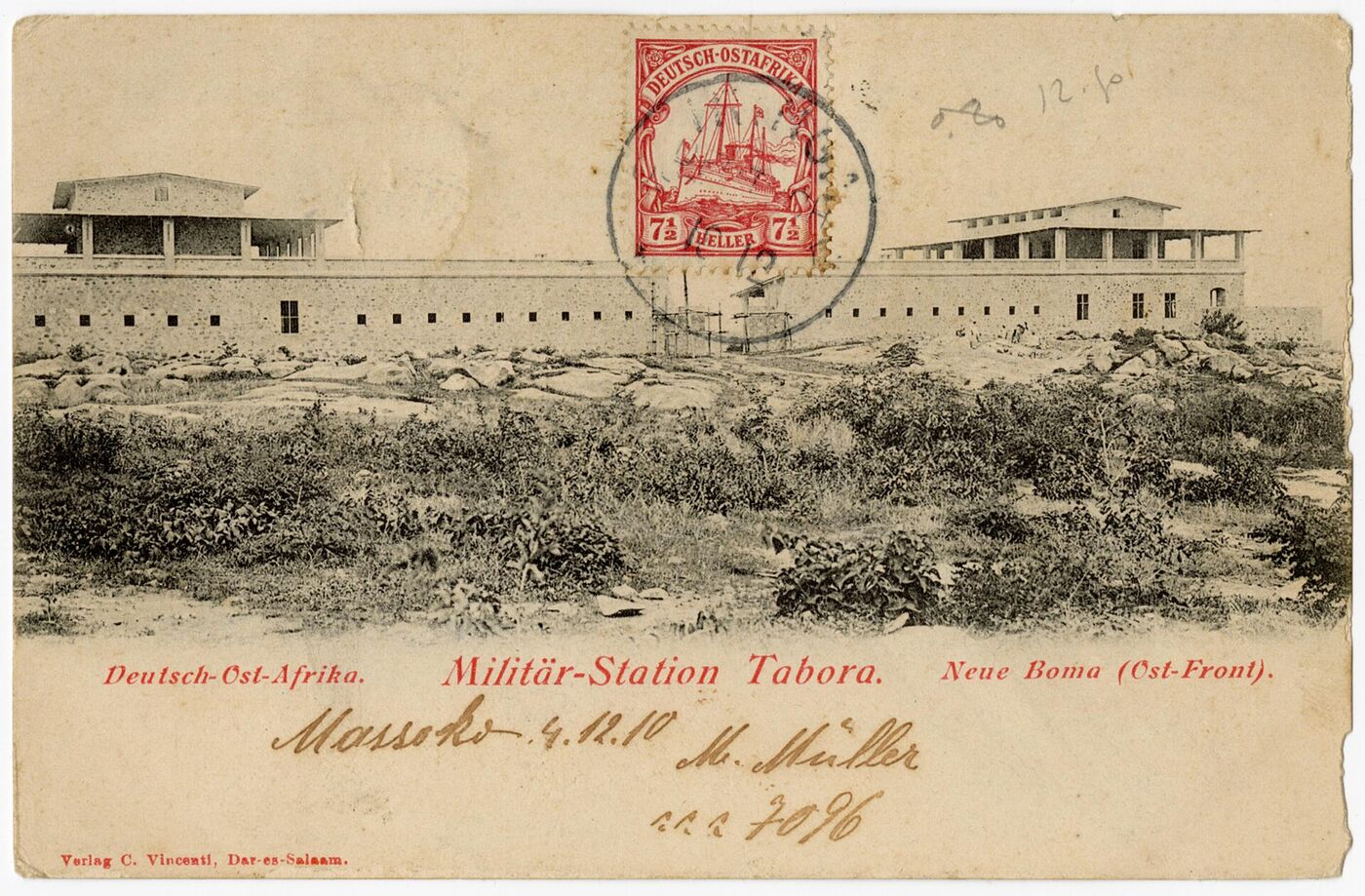
German Tabora, the railway and the war
Twenty-five years in which Tabora got a Boma, a Kaiserhof, a railway station and a battle.