The explorers: Burton, Speke, Livingstone and Stanley
Four of the most famous journeys of the 19th century ran through Tabora.
Burton and Speke, 1857. Richard Burton and John Hanning Speke, sent by the Royal Geographical Society to find the great lakes of the interior, reached Kazeh on 7 November 1857 after five months on the road from the coast. They rested with the Arab merchants, who told them of a lake to the north. Burton went west to Lake Tanganyika; Speke, on a side trip from Kazeh, reached the southern shore of the lake he named Victoria on 30 July 1858 and declared it the source of the Nile. The quarrel that followed between the two men lasted the rest of their lives.
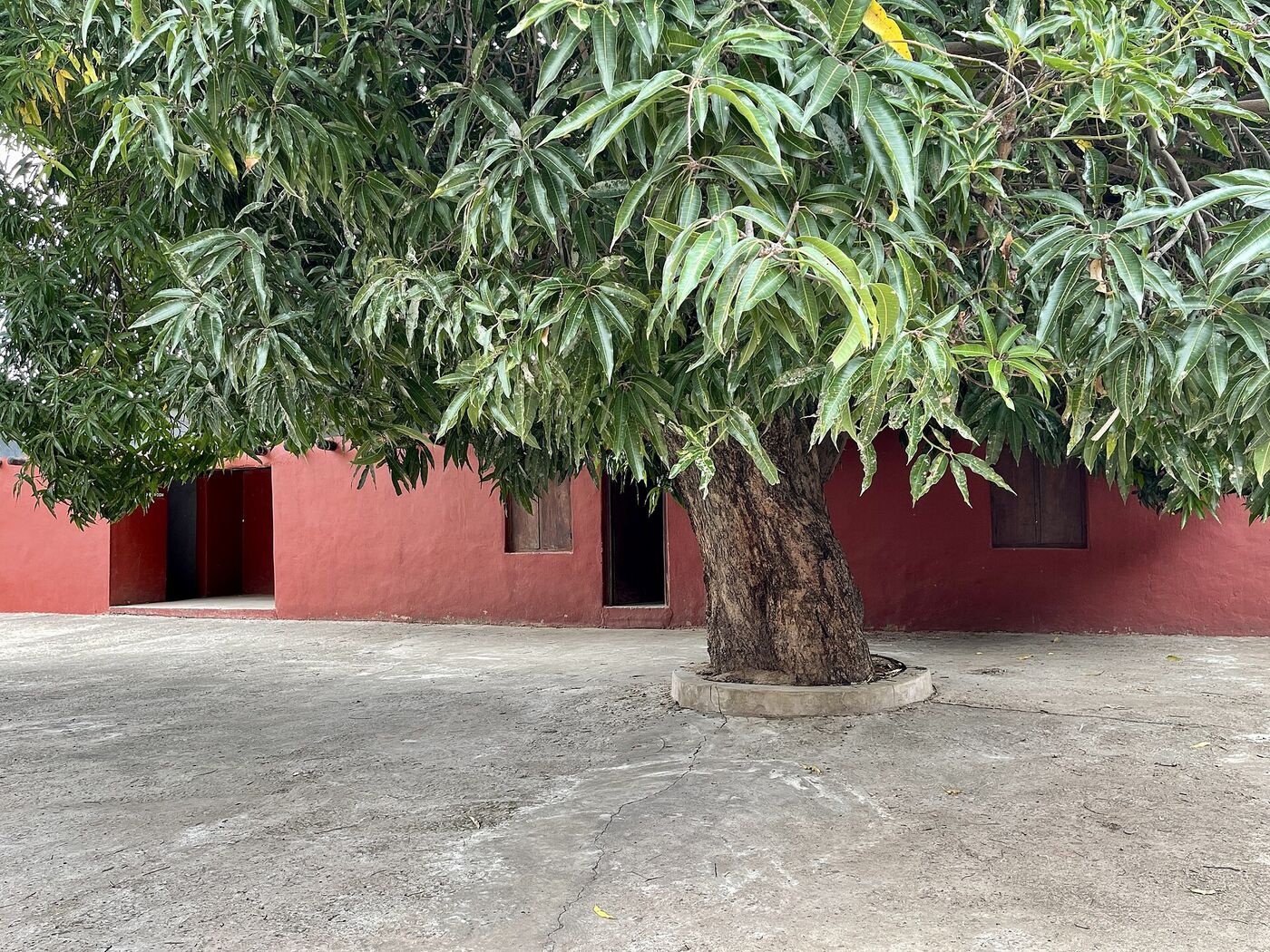
Livingstone, 1871–72. David Livingstone, on his last journey in search of the Nile’s source, came to Kwihara outside Tabora in 1871, ill and short of supplies, and lived in the tembe that now bears his name.
Stanley, 1871–72. Henry Morton Stanley, the journalist sent by the New York Herald to find Livingstone, arrived at Kwihara the same year and was stuck for three months: Mirambo, the Nyamwezi ruler of Urambo, was at war with Tabora’s Arabs and had burned part of the town, closing the road west. Stanley finally got through to Ujiji, found Livingstone there in November 1871, and the two came back to Kwihara together in 1872. Stanley left for the coast with Livingstone’s journals; Livingstone went south and died in 1873 in what is now Zambia.
The house is now Livingstone’s Tembe museum.
Continue with Mirambo and Isike.
In this section
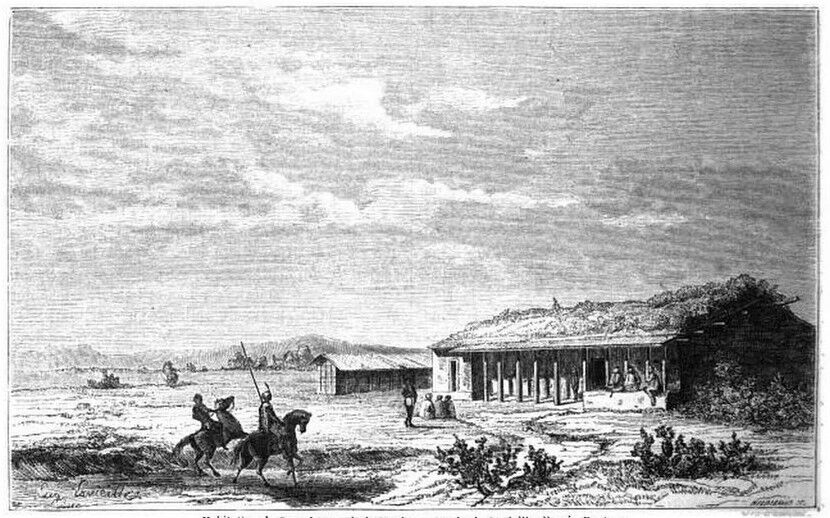
Kazeh and the caravan road
How Zanzibar's traders and the Nyamwezi porters made a town in the middle of Africa.
Mirambo and Isike
The two Nyamwezi rulers who fought for control of the caravan country, against the Arabs and then against Germany.
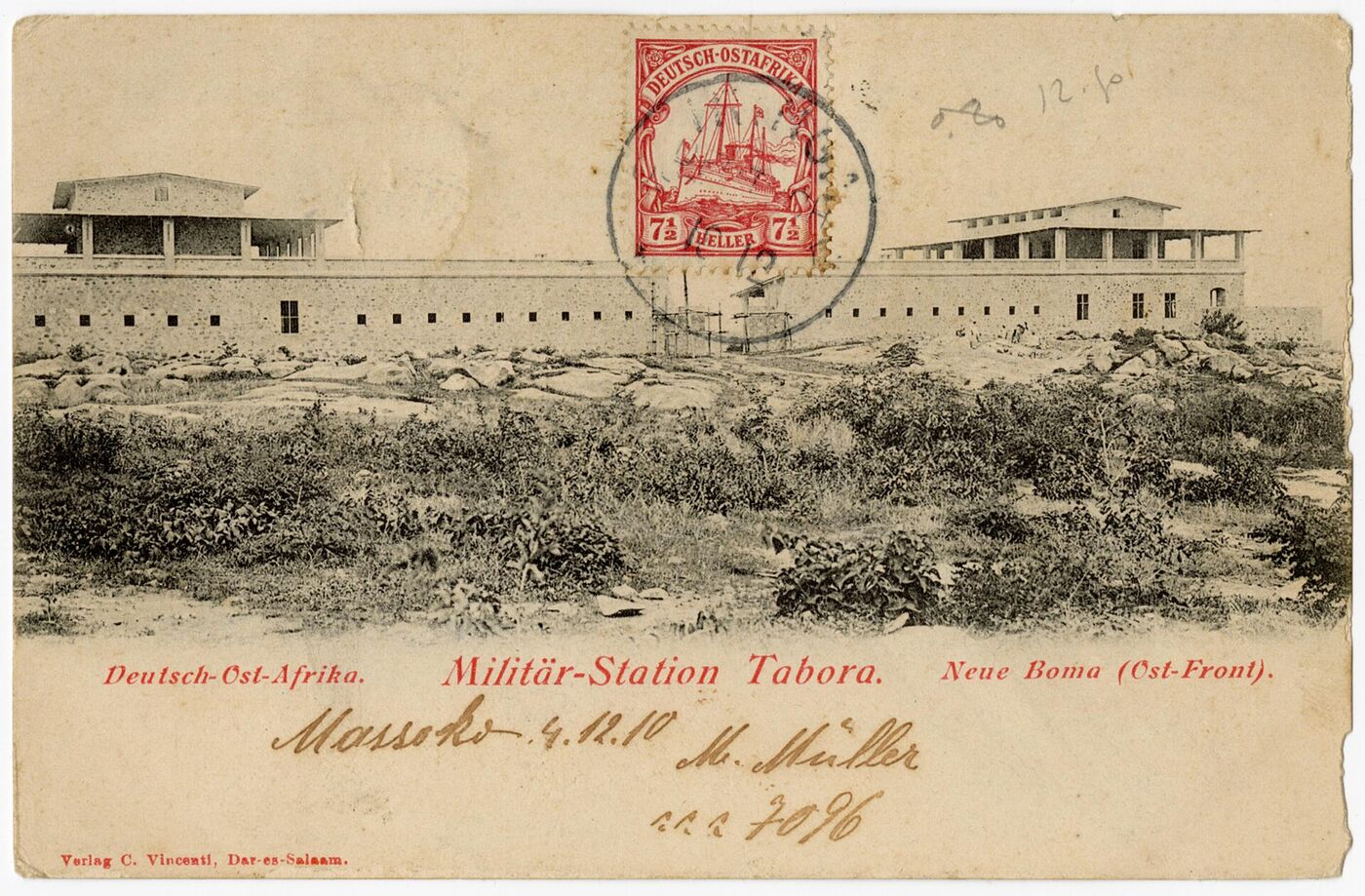
German Tabora, the railway and the war
Twenty-five years in which Tabora got a Boma, a Kaiserhof, a railway station and a battle.
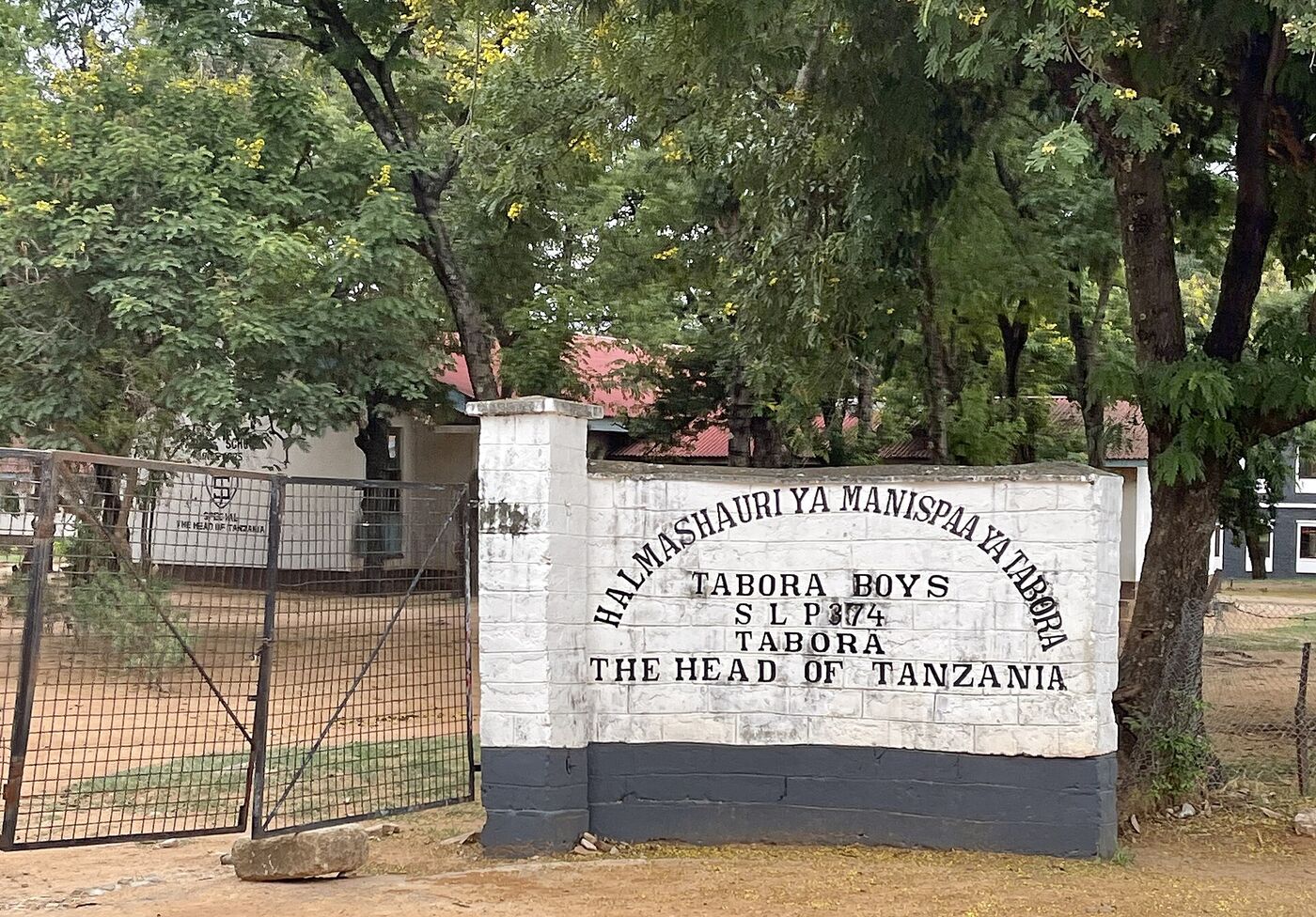
Tabora Boys and the road to independence
How a government school in Tabora produced the men who led Tanganyika to independence.