The German Boma
The fort from which Germany ran central German East Africa, and the prize the Belgians took in 1916.
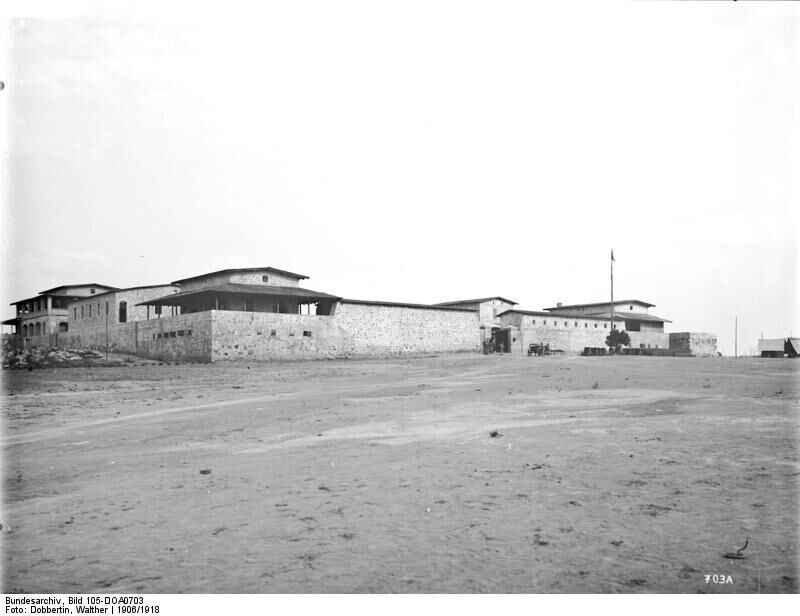
Germany declared its protectorate over the mainland in 1885 but only took control of Tabora in 1891, after breaking the resistance of Chief Isike of Unyanyembe. From then on Tabora was the main administrative centre of the central part of German East Africa, and the Boma, the walled military station on the rise above the town, was its seat.
The Boma is where the First World War came to Tabora. In September 1916 Belgian Force Publique troops advancing from the west fought the German garrison for ten days and took the town on 19 September. Earlier that year, cut off from Berlin, the Germans had run an emergency mint here, striking the coins known to collectors as the Tabora issues.
Today the Boma and the German-era buildings around it, the old officials’ houses and the Kaiserhof, make up the historic core of the town. In 2026 the Antiquities Department named Tabora’s old town, its caravan routes and its Arab houses among the heritage sites it is promoting.
In this section
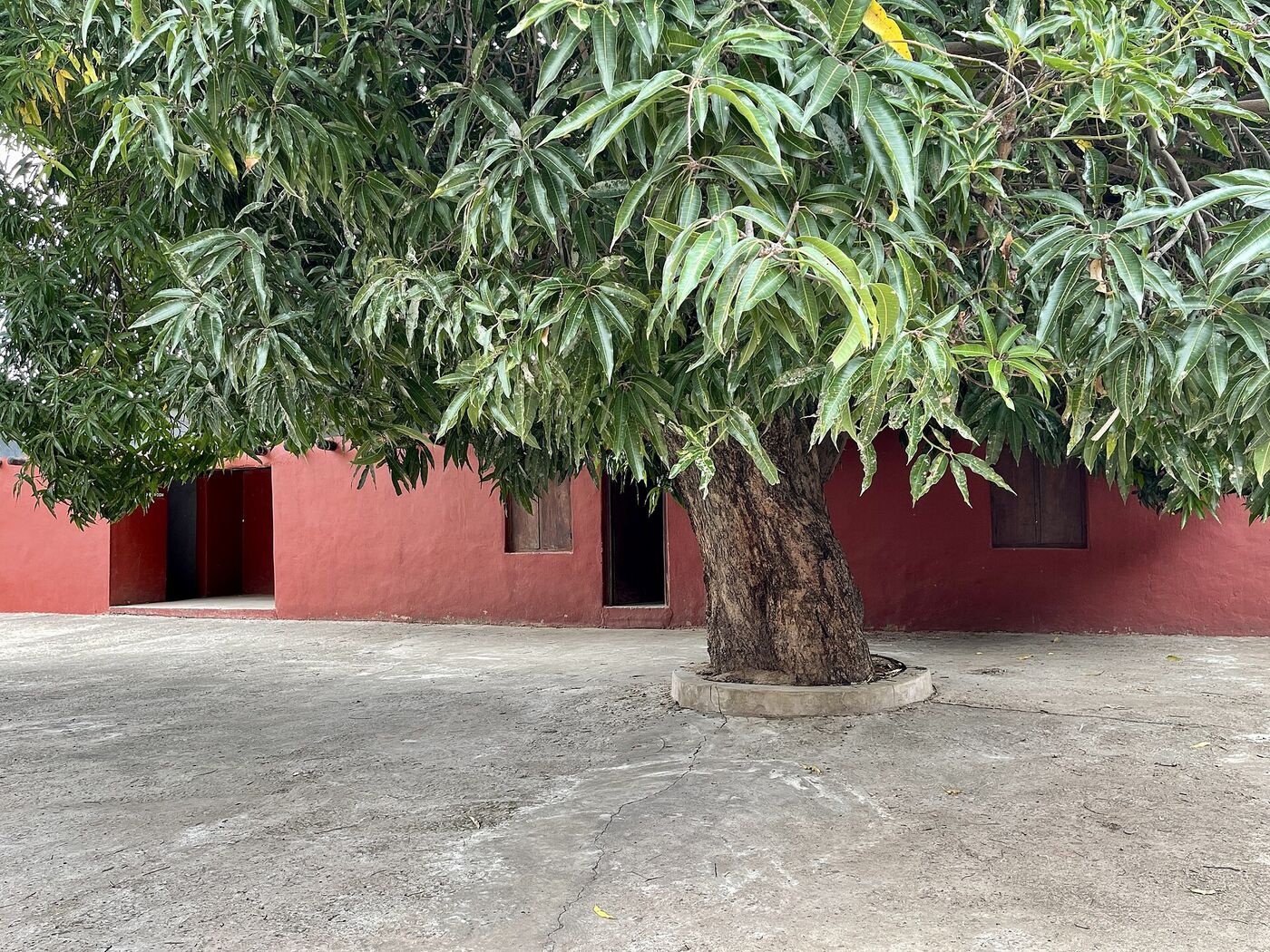
Livingstone's Tembe
The flat-roofed Arab trader's house at Kwihara where David Livingstone lived in 1871 and Henry Morton Stanley waited out a war.
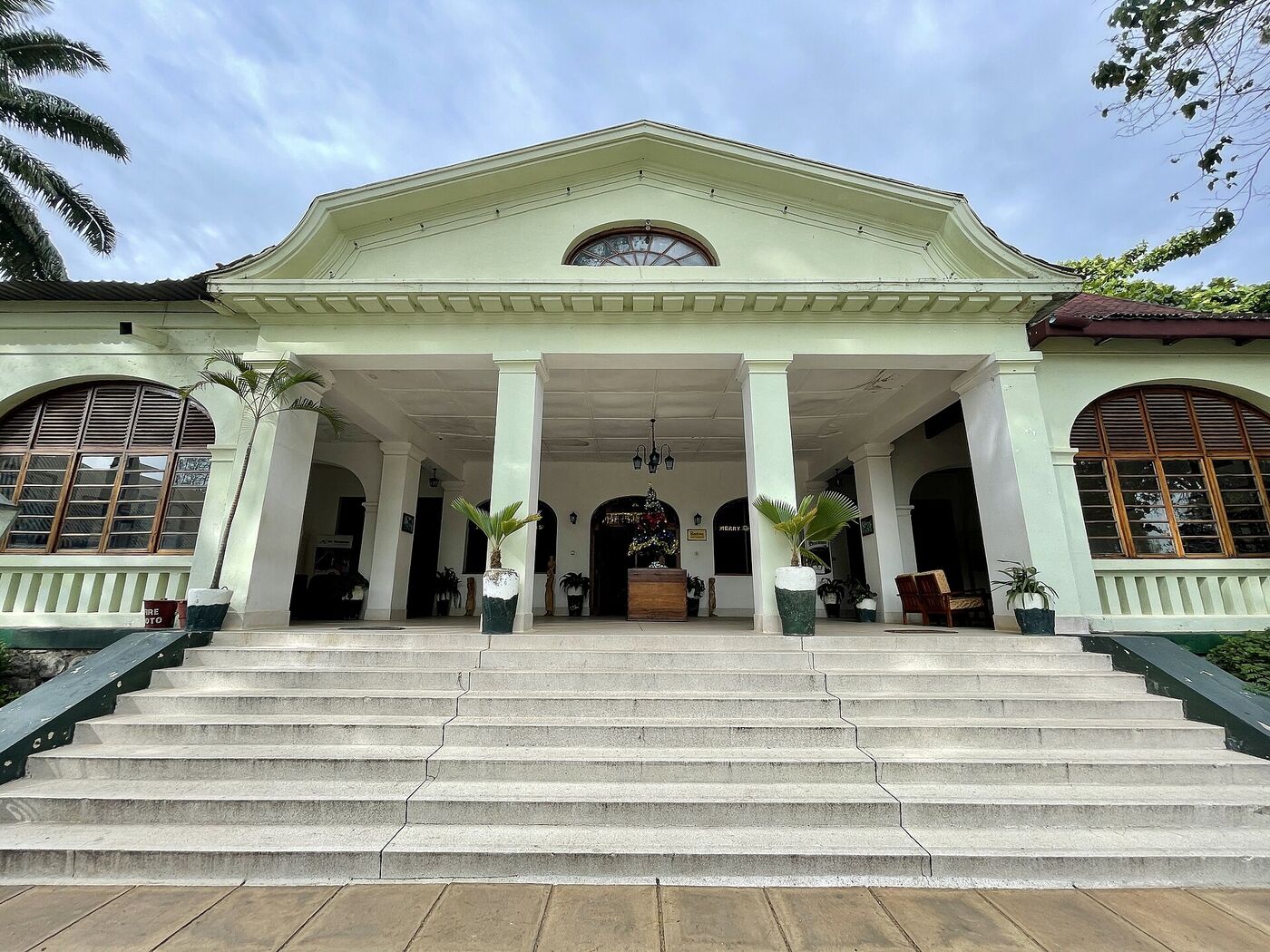
Tabora Hotel (the Kaiserhof)
Built in German times as a guesthouse fit for the Kaiser, and still a hotel today.
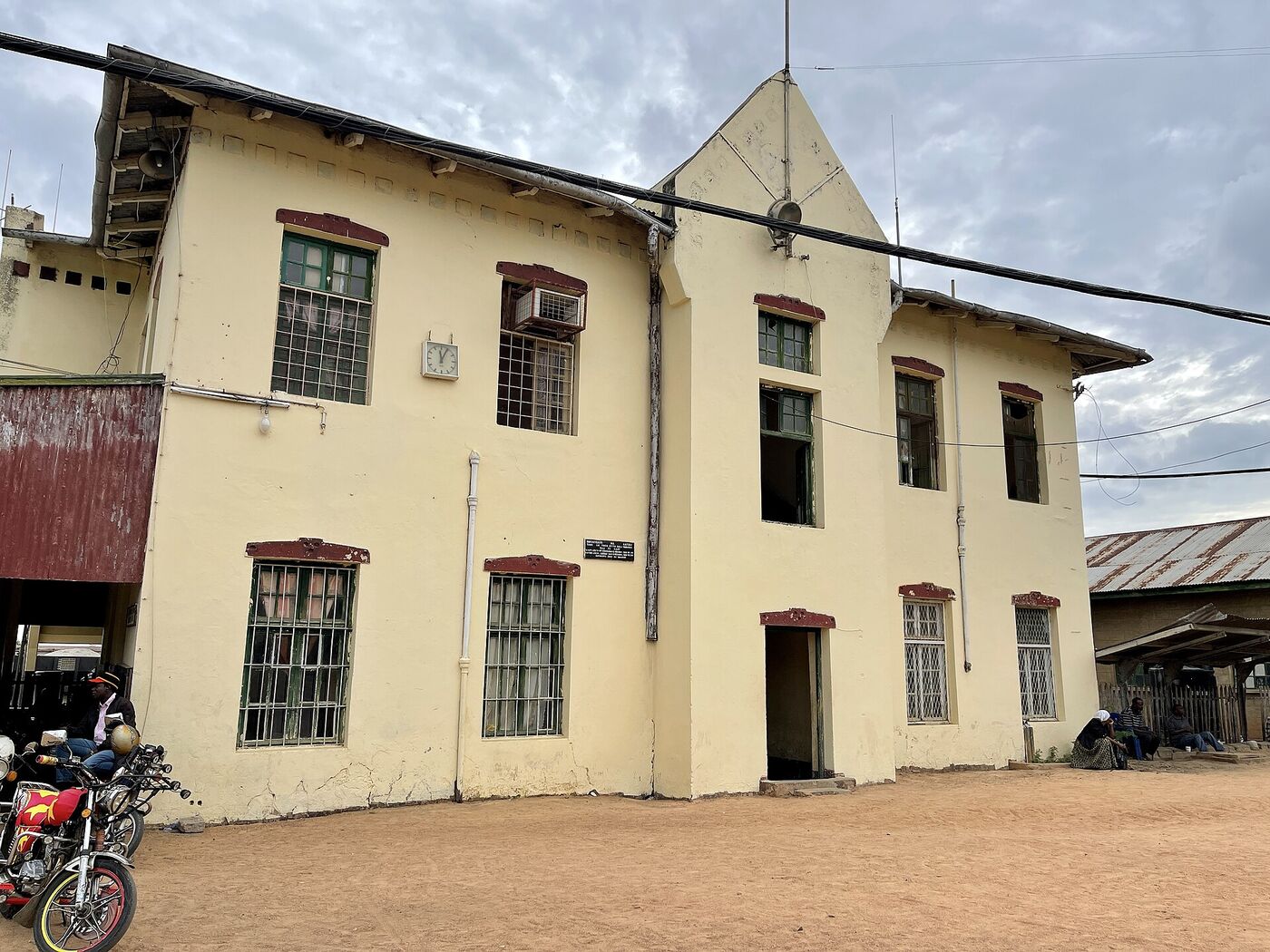
Tabora Railway Station
The 1912 station at the junction of the Central Line, where trains divide for Kigoma, Mwanza and Mpanda.
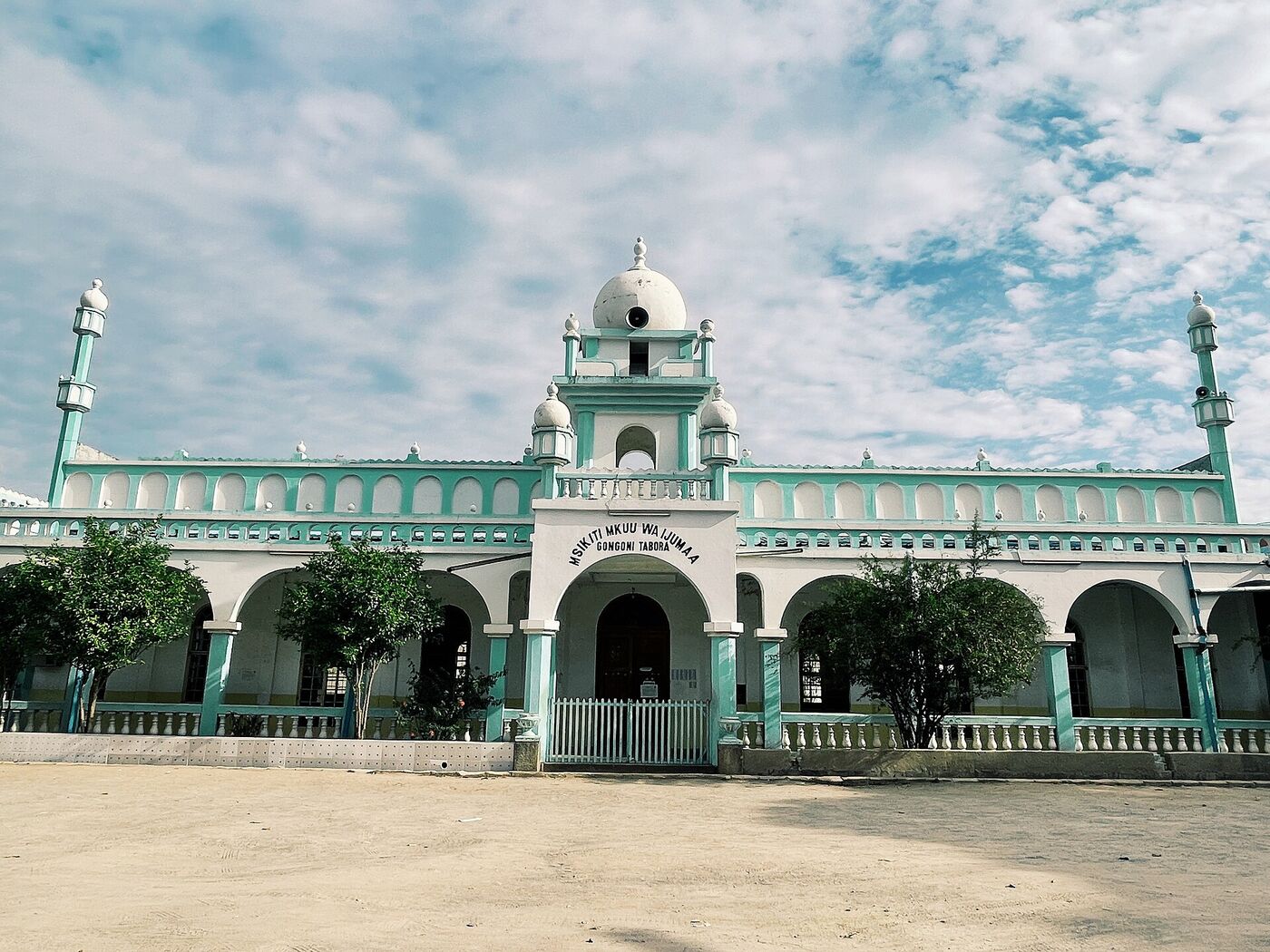
Gongoni Mosque and the old Swahili quarter
The Friday mosque at the centre of the oldest part of town, among the Arab houses, carved doors and mango trees the coastal traders left behind.