Gongoni Mosque and the old Swahili quarter
The Friday mosque at the centre of the oldest part of town, among the Arab houses, carved doors and mango trees the coastal traders left behind.
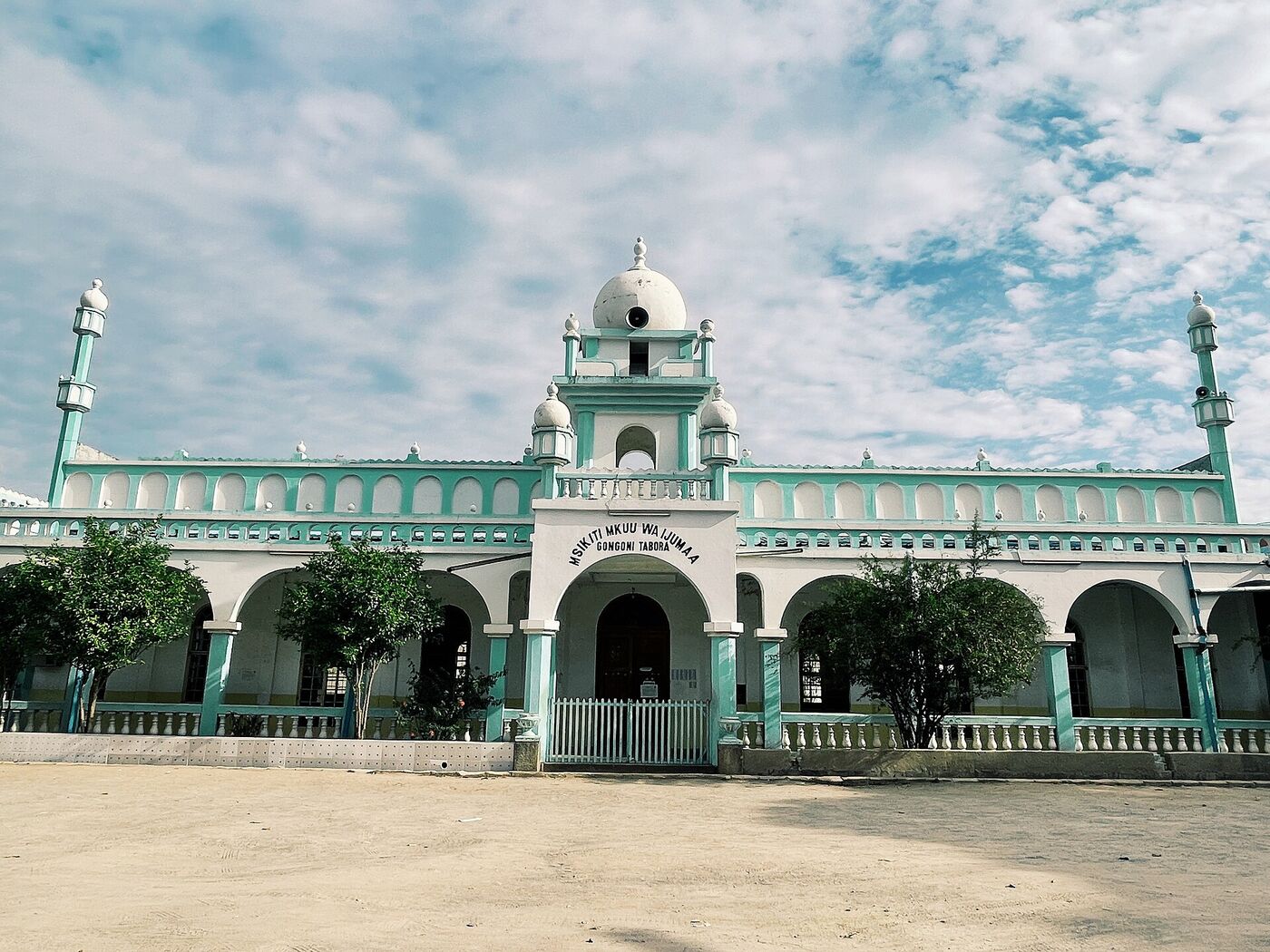
Tabora began as a trading town of the Omani and Swahili merchants who came up the caravan road from the coast, and Gongoni is where that town survives. The Msikiti Mkuu wa Ijumaa, the Friday mosque, stands at its centre, white and green with twin minarets and a long arcaded front.
Walk the streets around it. The flat-roofed Arab houses, the carved Swahili doors on some of them, and the mango trees that shade whole avenues were all planted or built by the trading families of the 19th century. Mangoes were the traders’ gift to the town: the avenues of old trees along King Mirambo Avenue and elsewhere are their doing.
In 2026 the Antiquities Department listed the old town, Livingstone’s Well, the old Arab houses and the caravan routes among Tabora’s heritage sites. This is the quarter they mean.
In this section
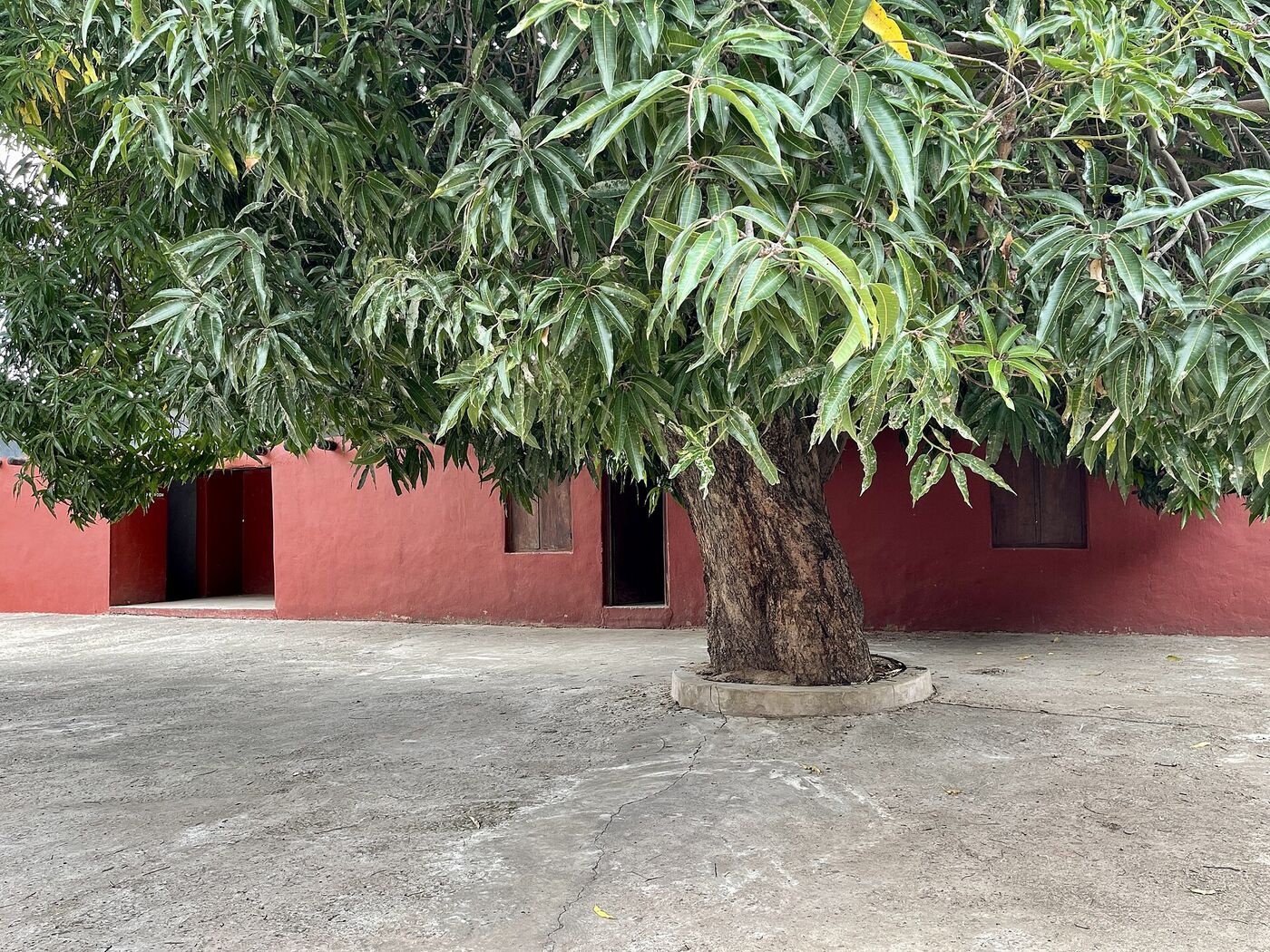
Livingstone's Tembe
The flat-roofed Arab trader's house at Kwihara where David Livingstone lived in 1871 and Henry Morton Stanley waited out a war.
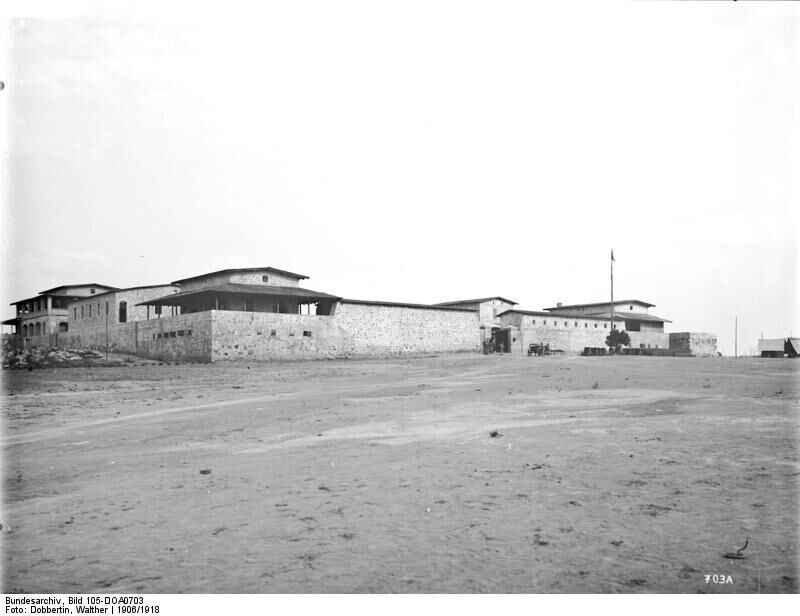
The German Boma
The fort from which Germany ran central German East Africa, and the prize the Belgians took in 1916.
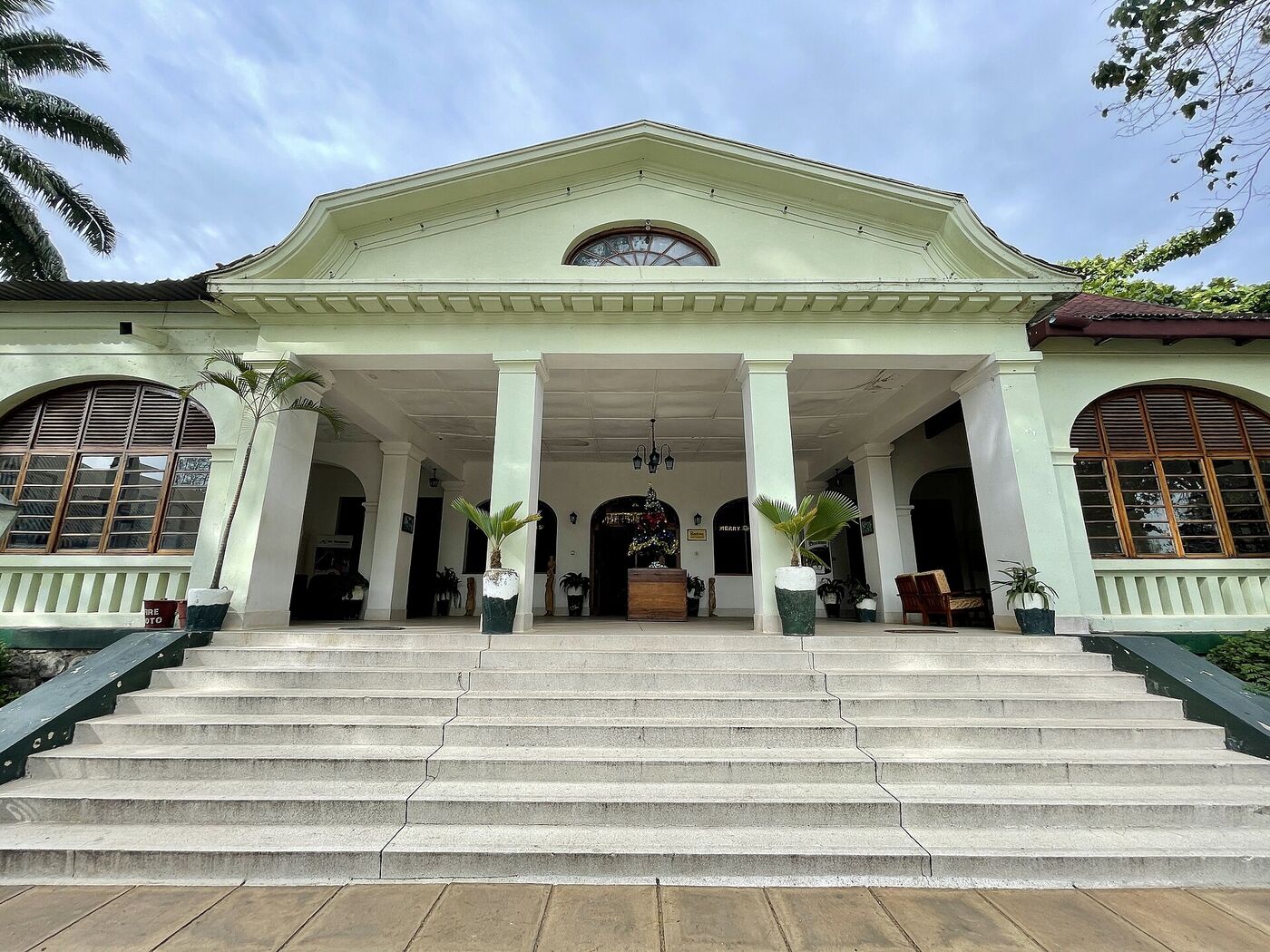
Tabora Hotel (the Kaiserhof)
Built in German times as a guesthouse fit for the Kaiser, and still a hotel today.
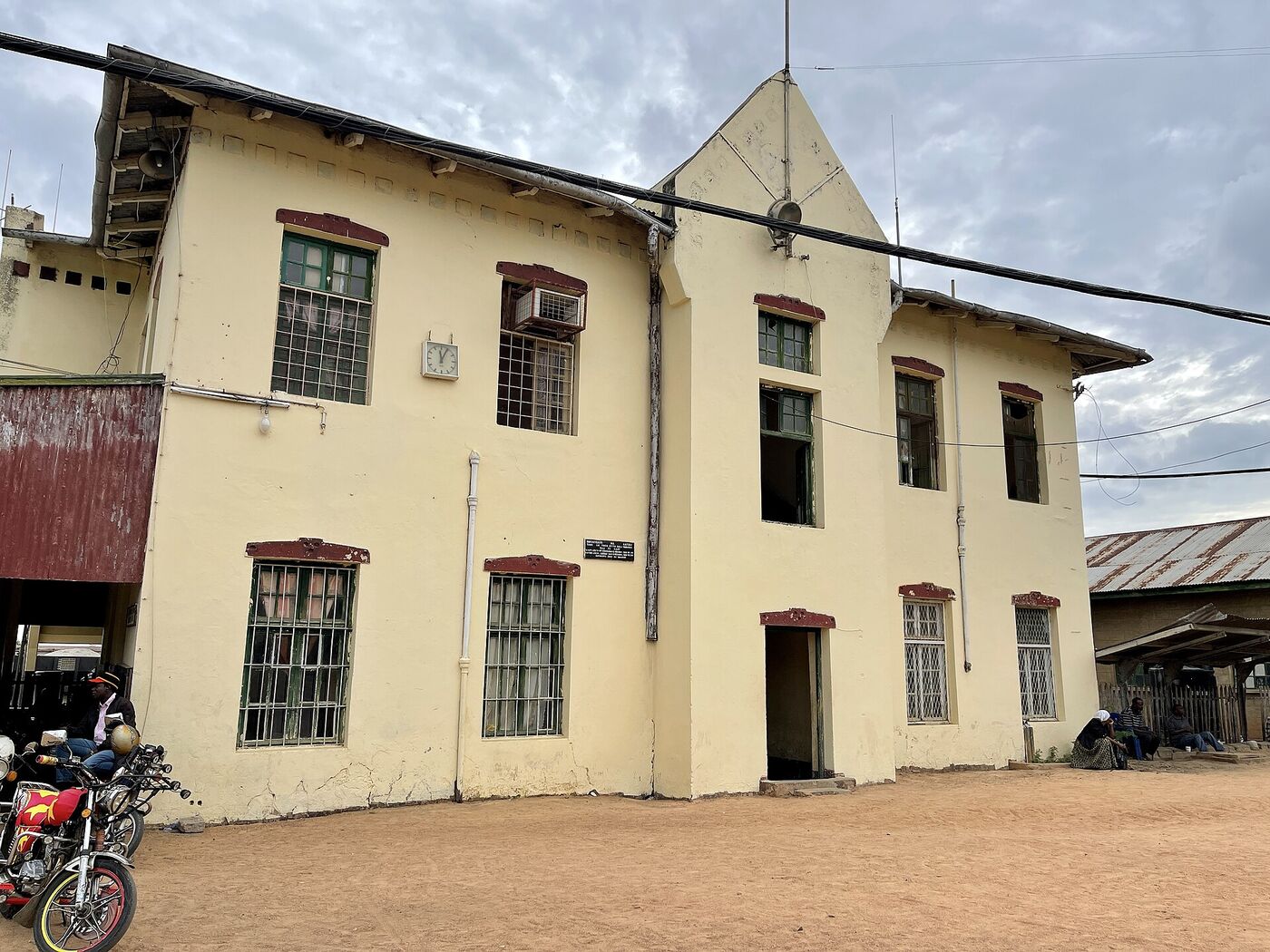
Tabora Railway Station
The 1912 station at the junction of the Central Line, where trains divide for Kigoma, Mwanza and Mpanda.