Kazeh and Uyui
The site of the caravan town where Burton and Speke rested in 1857, in the Nyamwezi kingdom of Unyanyembe.
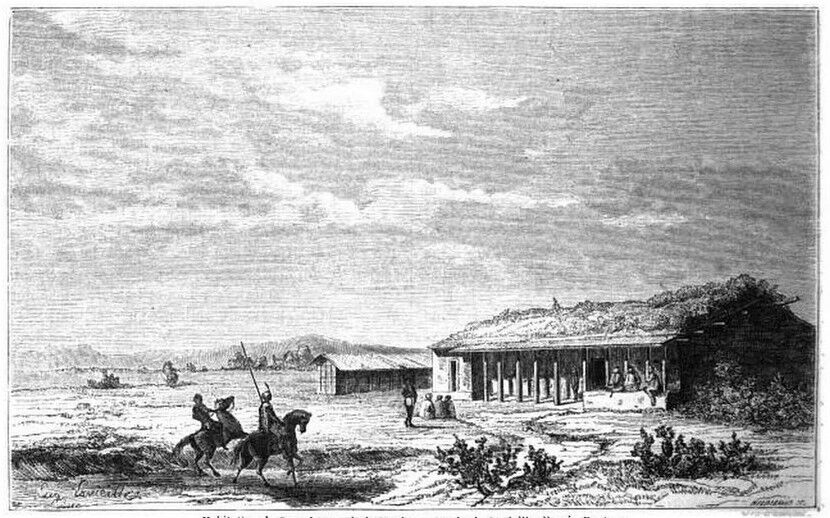
Before Tabora there was Kazeh. Traders from the coast settled in the area from the early 1830s, and in the 1850s the Omani and Swahili merchants built Kazeh as the inland capital of the caravan trade in ivory and slaves between Bagamoyo and Ujiji on Lake Tanganyika. It sat inside Unyanyembe, the kingdom of the Nyamwezi, whose people carried the caravans, and a representative of the Sultan of Zanzibar lived there. By 1870 it had five to ten thousand people.
Richard Burton and John Hanning Speke reached Kazeh on 7 November 1857 and were received by Snay bin Amir, whose house is in the engraving above. From here Speke made the side trip north that ended, on 30 July 1858, with the first European sighting of Lake Victoria.
Kazeh stood at Uyui, a short distance from today’s Tabora, which grew up beside it. In 2026 the Antiquities Department listed the Uyui site among the heritage places it is promoting. There is little to see on the ground, but to stand where the caravan road from the coast met the road to the lakes is to stand at the centre of the 19th-century map of Africa.
In this section
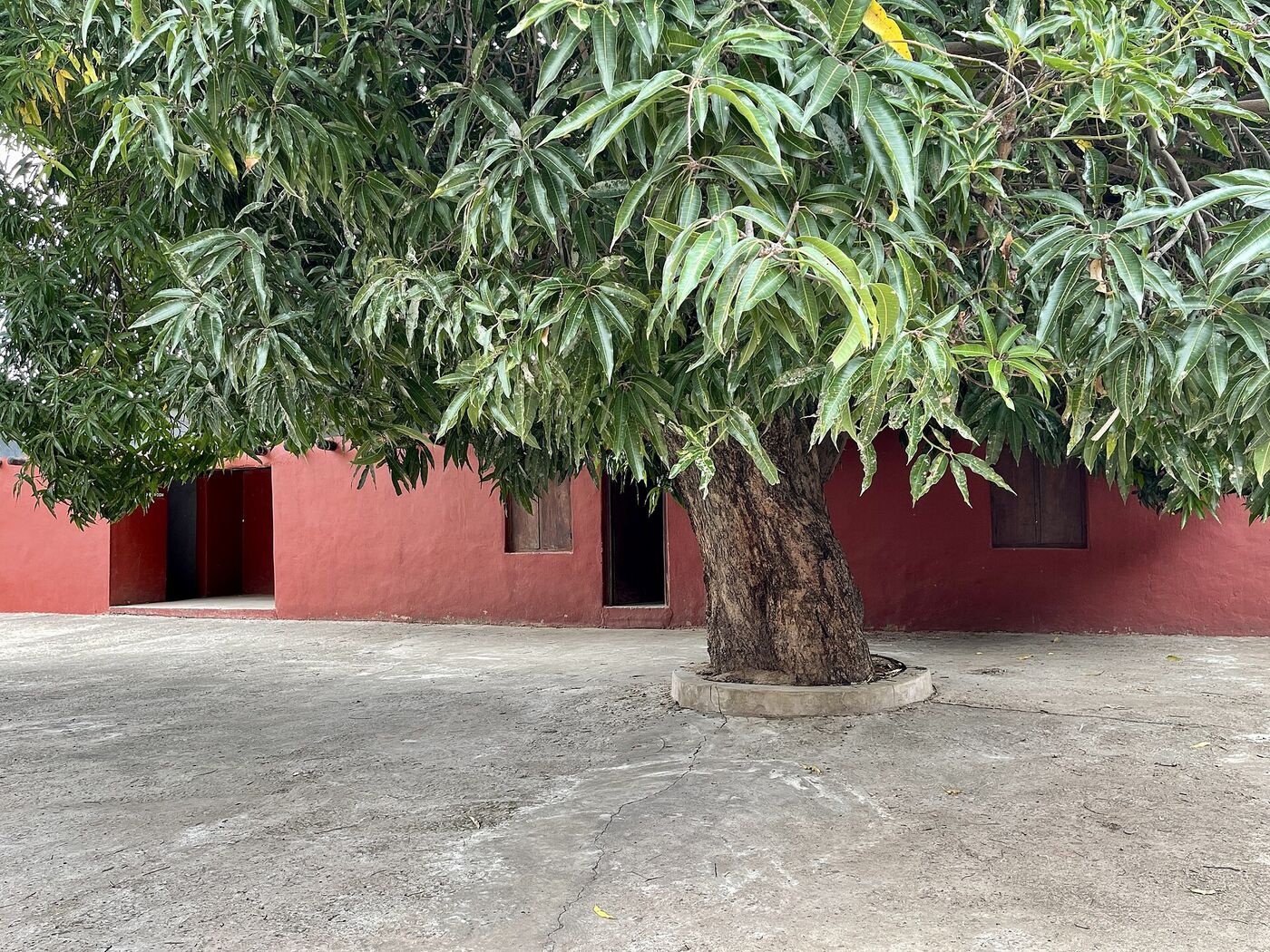
Livingstone's Tembe
The flat-roofed Arab trader's house at Kwihara where David Livingstone lived in 1871 and Henry Morton Stanley waited out a war.
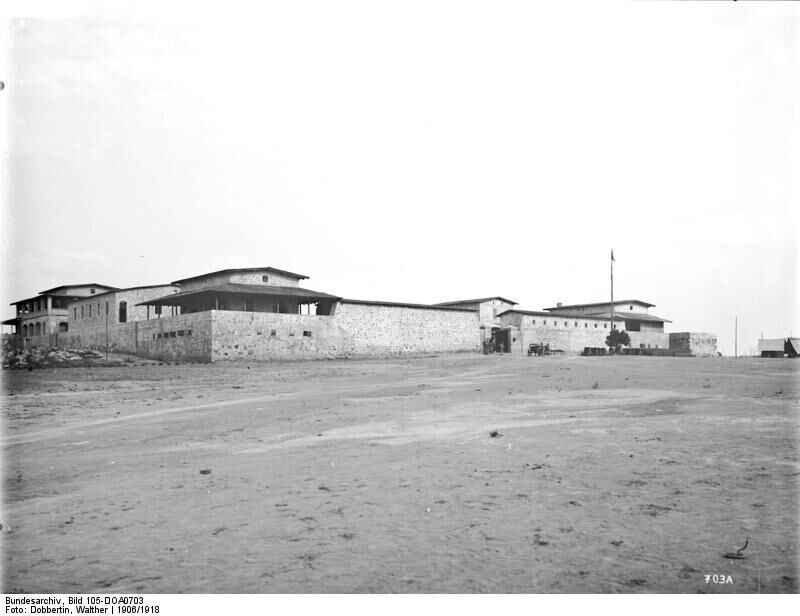
The German Boma
The fort from which Germany ran central German East Africa, and the prize the Belgians took in 1916.
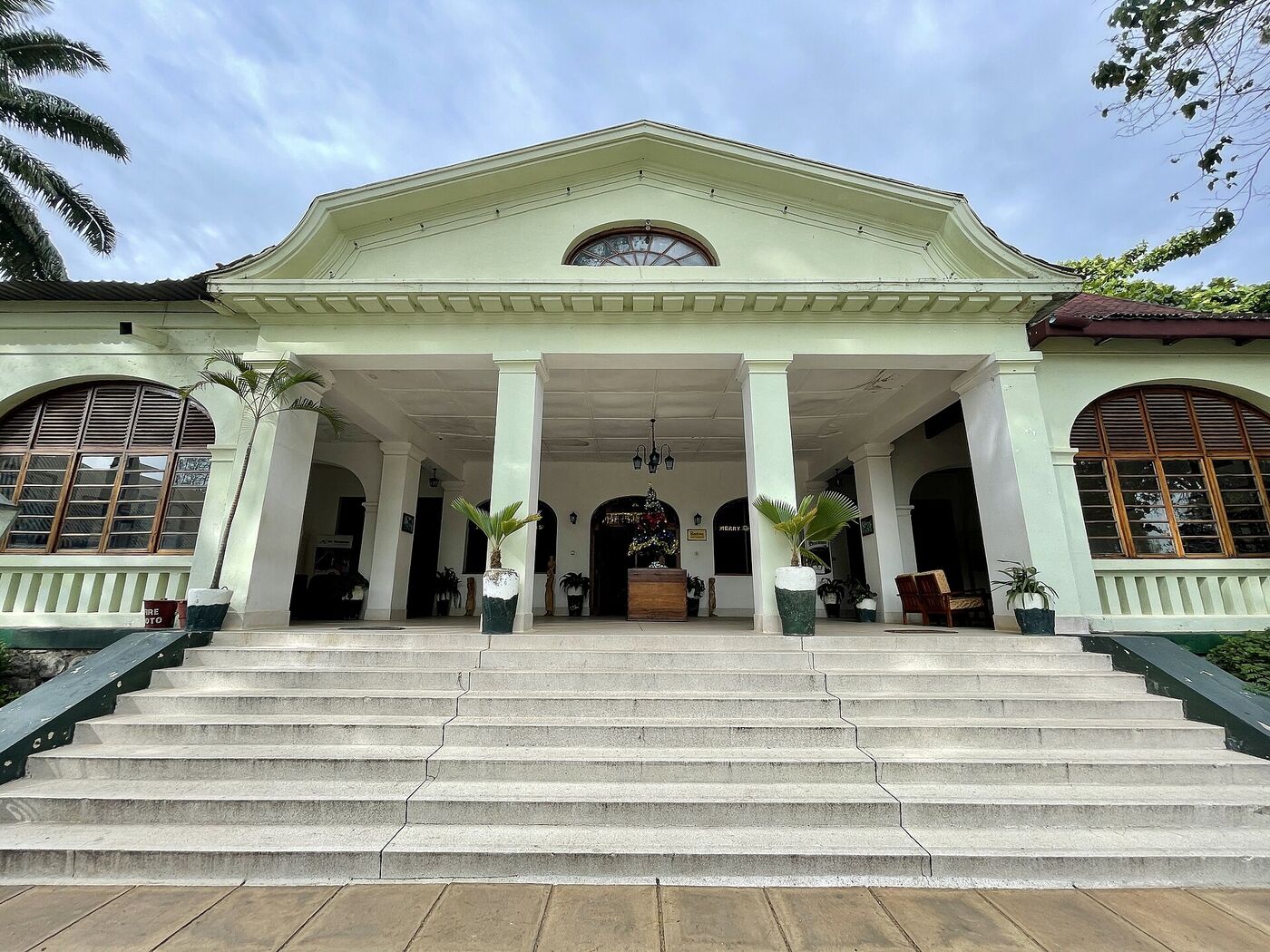
Tabora Hotel (the Kaiserhof)
Built in German times as a guesthouse fit for the Kaiser, and still a hotel today.
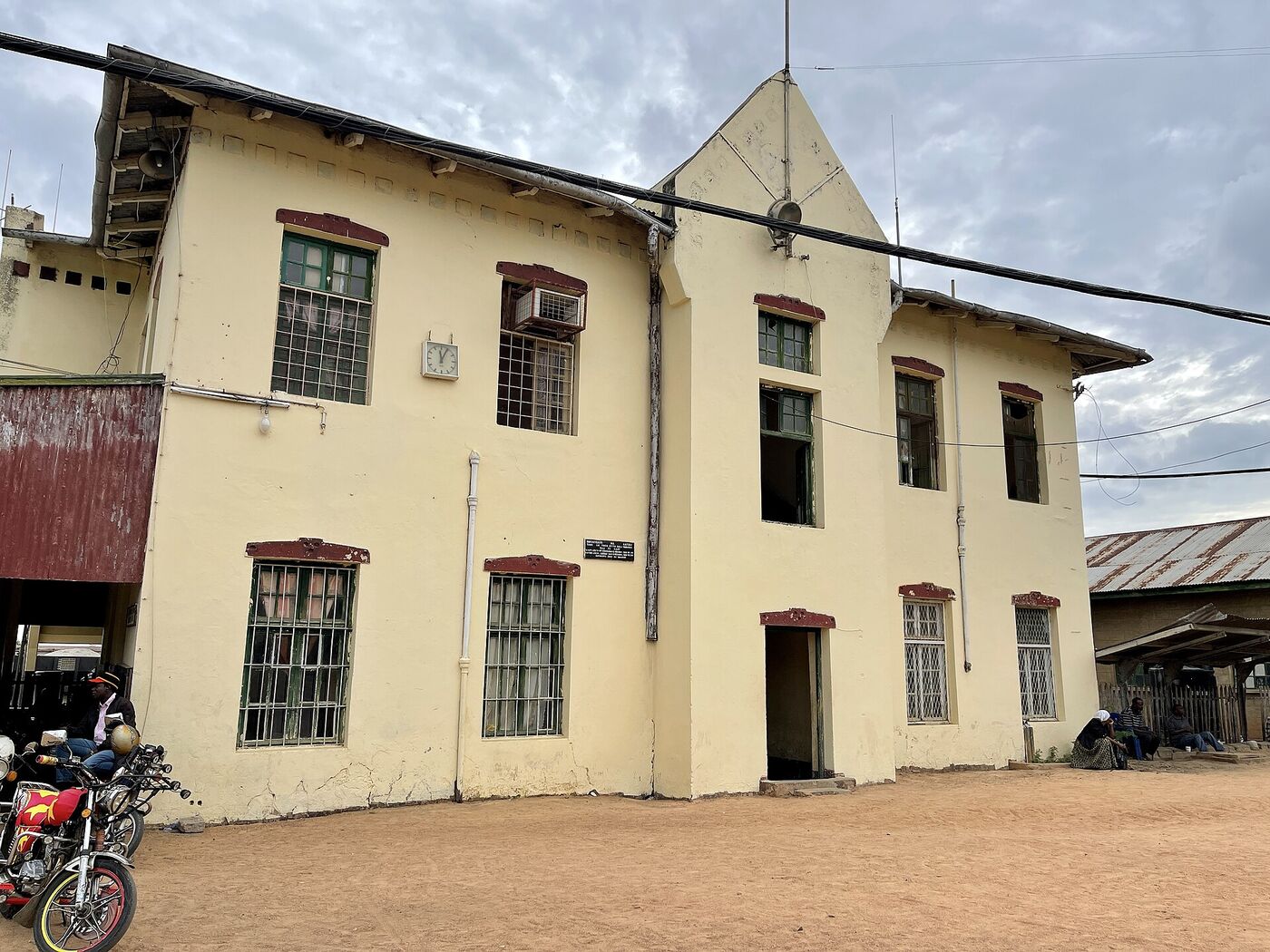
Tabora Railway Station
The 1912 station at the junction of the Central Line, where trains divide for Kigoma, Mwanza and Mpanda.