Livingstone's Tembe
The flat-roofed Arab trader's house at Kwihara where David Livingstone lived in 1871 and Henry Morton Stanley waited out a war.
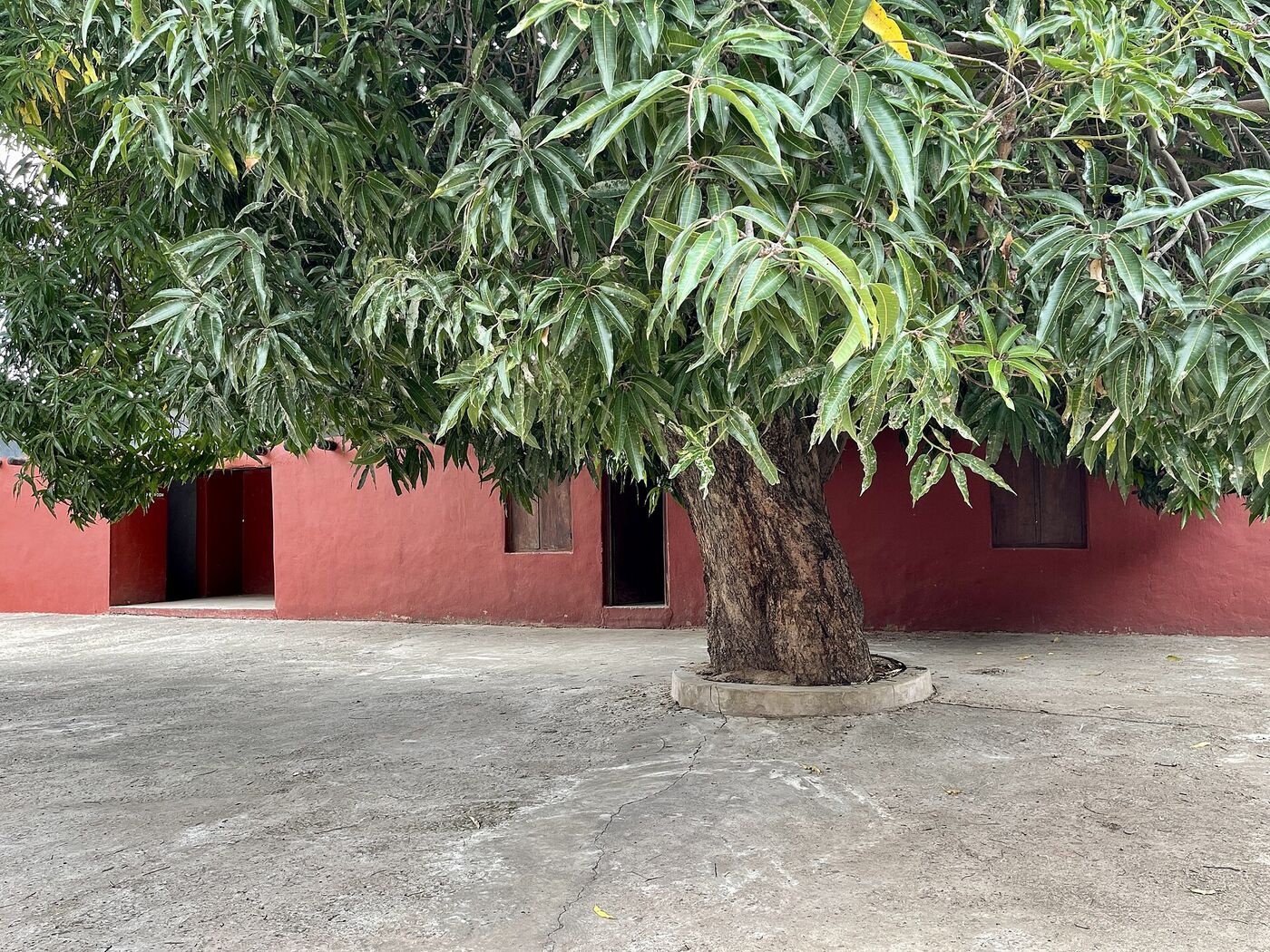
A tembe is the flat-roofed, thick-walled house the coastal traders built in the interior, and this one at Kwihara, about 8 km south-west of Tabora, was put up in 1857 by an Arab merchant. It became the most famous house in central Africa because of who stayed in it.
David Livingstone lived here for part of 1871, resting and resupplying during his last journey. Henry Morton Stanley, sent by the New York Herald to find him, arrived the same year and was held up here for three months while Mirambo’s war with Tabora’s Arabs closed the road west. After their meeting at Ujiji in November 1871, the two men came back to Kwihara together in 1872; Stanley left for the coast from here, and Livingstone set out south on the journey from which he did not return.
The house is now a museum run by the Antiquities Division. Inside are Livingstone’s letters, exhibits on the caravan and slave trade, and the carved Swahili doors of the period. The red-walled courtyard under its mango tree is one of the quietest places in Tabora.
Getting there: by taxi or boda-boda from town; ask for Livingstone Museum, Kwihara.
In this section
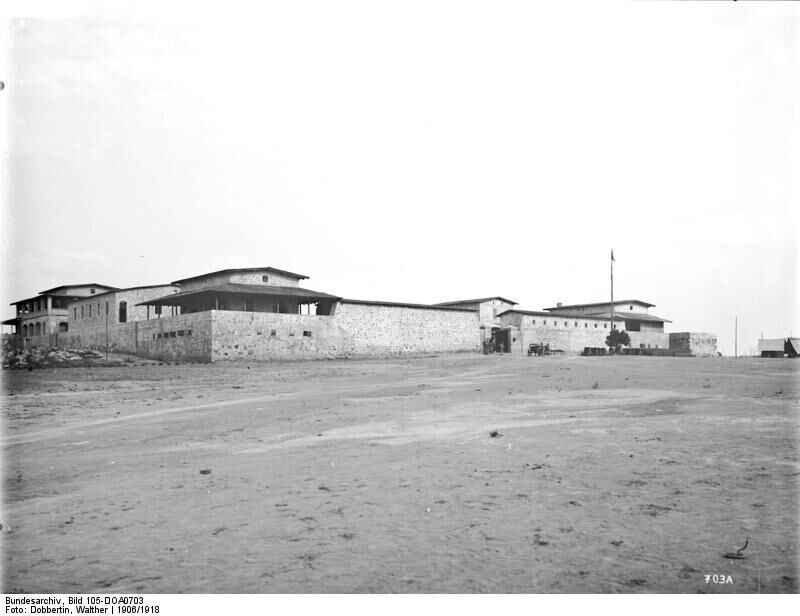
The German Boma
The fort from which Germany ran central German East Africa, and the prize the Belgians took in 1916.
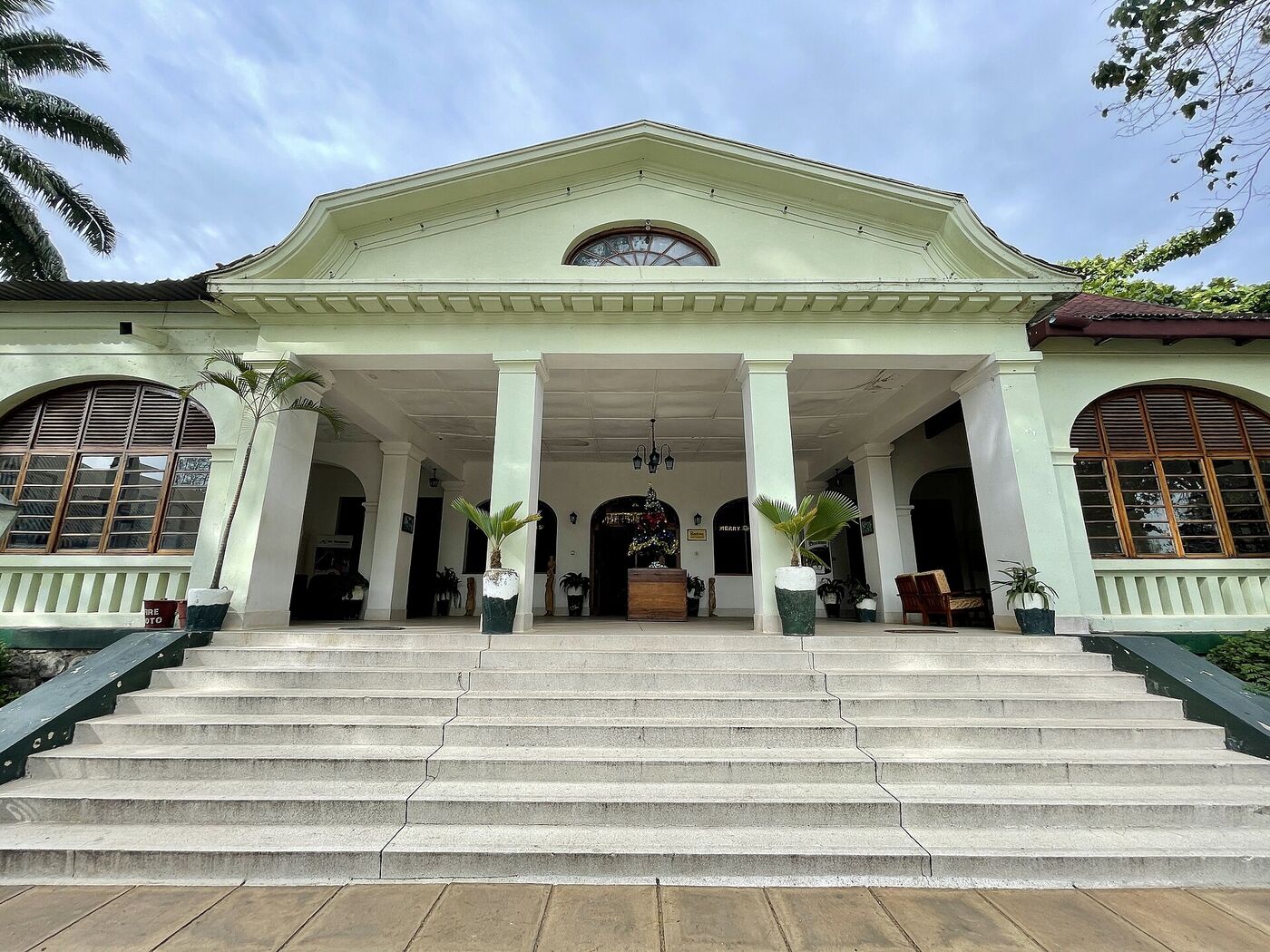
Tabora Hotel (the Kaiserhof)
Built in German times as a guesthouse fit for the Kaiser, and still a hotel today.
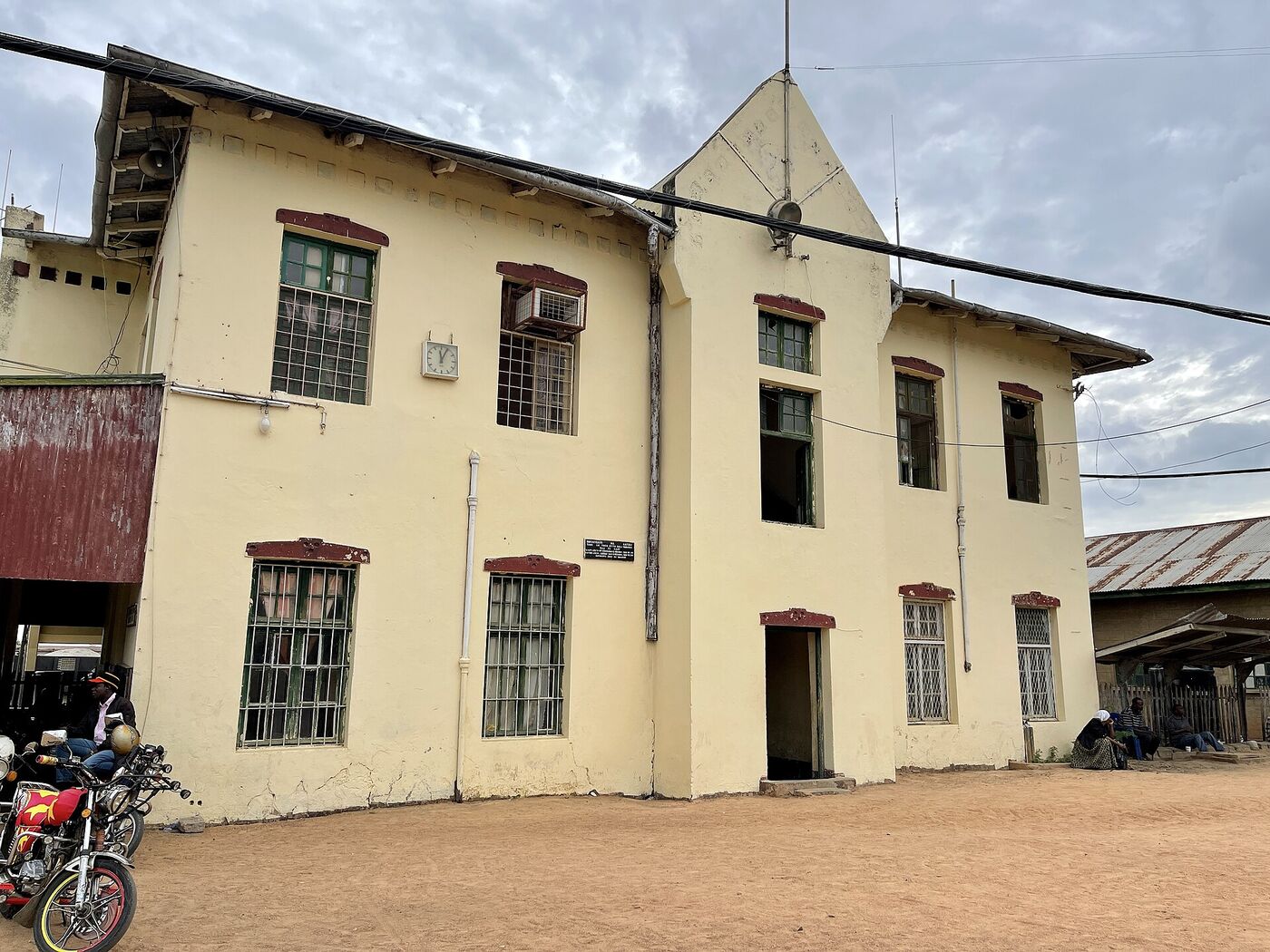
Tabora Railway Station
The 1912 station at the junction of the Central Line, where trains divide for Kigoma, Mwanza and Mpanda.
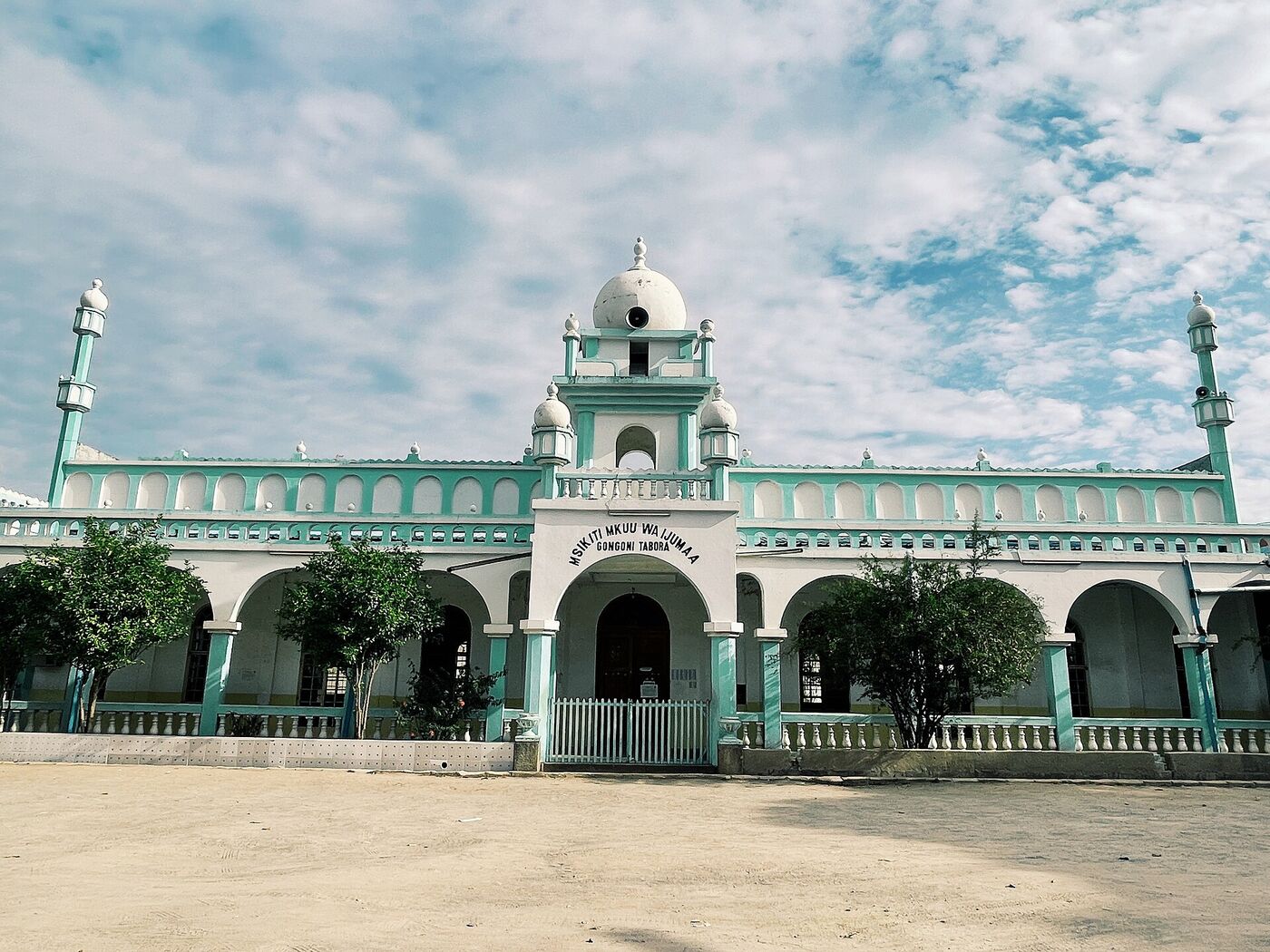
Gongoni Mosque and the old Swahili quarter
The Friday mosque at the centre of the oldest part of town, among the Arab houses, carved doors and mango trees the coastal traders left behind.