When to come
Tabora sits at about 1,200 metres on the central plateau, so it is warm rather than hot for most of the year. The rains run from November to April, with December the wettest month; May to October is dry, with cool nights in June and July (around 15 °C) and the hottest days in October (into the low 30s). The dry season is the time for Ugalla and the countryside; the town itself is pleasant year-round, greenest just after the rains.
Money
The Tanzanian shilling is the currency. The main Tanzanian banks have branches and 24-hour ATMs in the town centre, and mobile money is used for almost everything. Carry some cash for boda-boda, markets and small shops.
Health
Kitete Regional Referral Hospital is the main hospital, with private clinics and pharmacies in town. Tabora is a malaria area: use nets and repellent, especially in the rains.
Phones and internet
All the main mobile networks cover the town, and SIM cards are sold at the networks’ shops and at kiosks with your passport. Hotels have Wi-Fi of varying quality.
Language
Kiswahili is the language of daily life; Nyamwezi and Sukuma are the languages of the countryside. English is spoken in hotels, banks and offices. A few words of Kiswahili go a long way: habari (hello, how are things), asante (thank you), karibu (welcome).
In this section
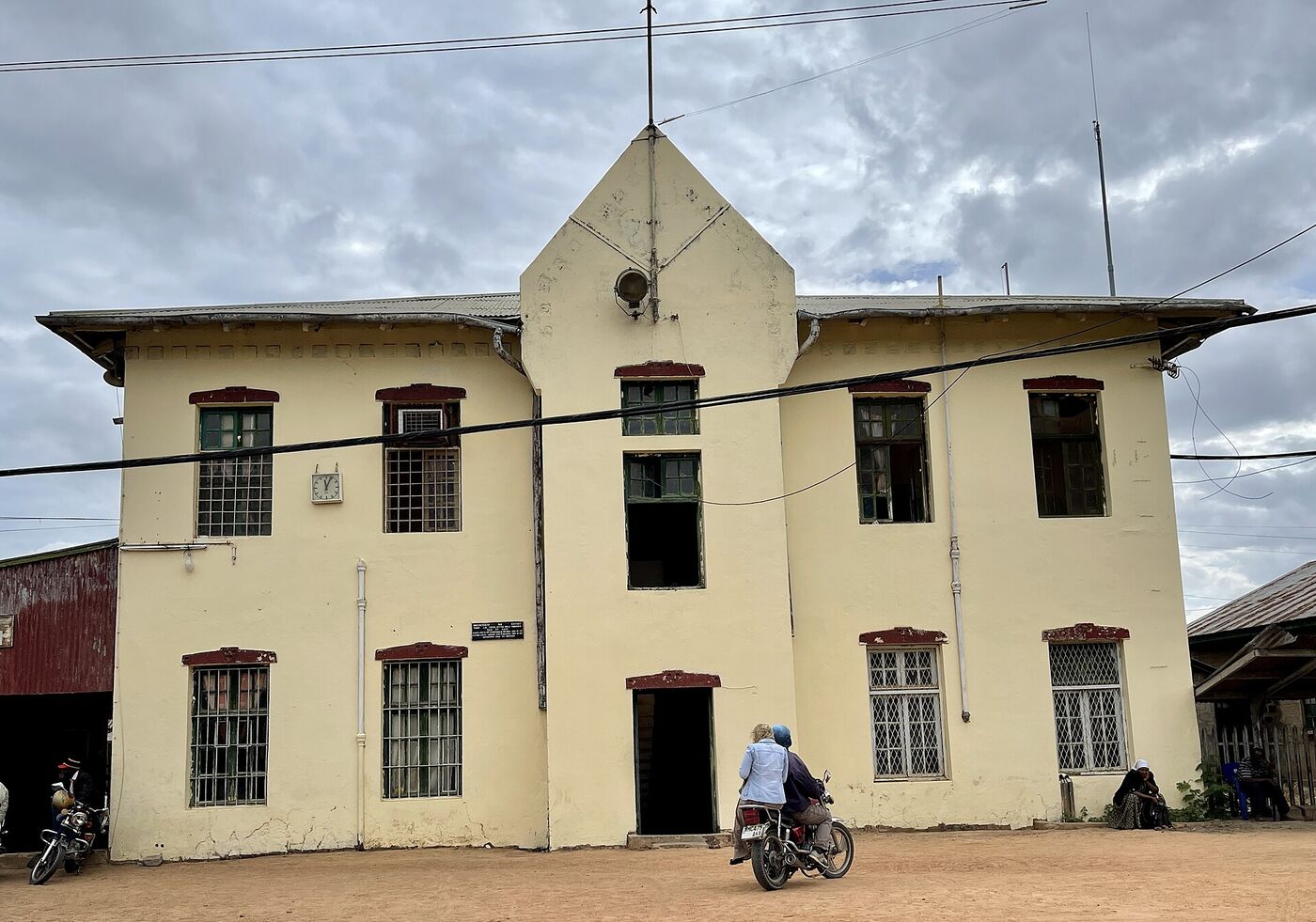
Getting there
By air from Dar es Salaam or Kigoma, by train on the Central Line, or by road from Dodoma, Mwanza, Kigoma, Mpanda and Mbeya.
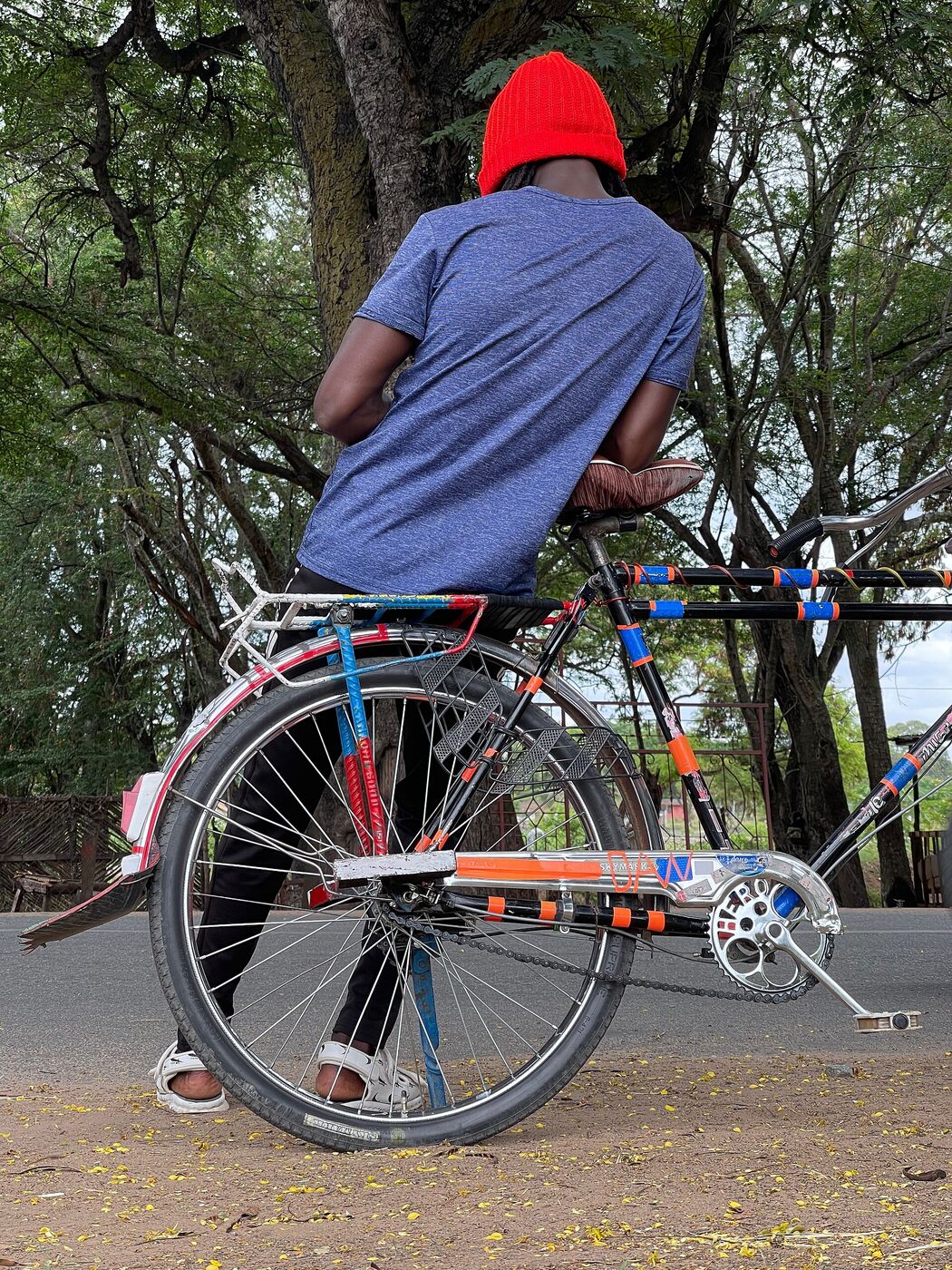
Getting around
Tabora is flat and compact. Taxis, boda-boda motorcycles and bicycle taxis cover the town; for Kwihara, Igombe or the parks you need a car.
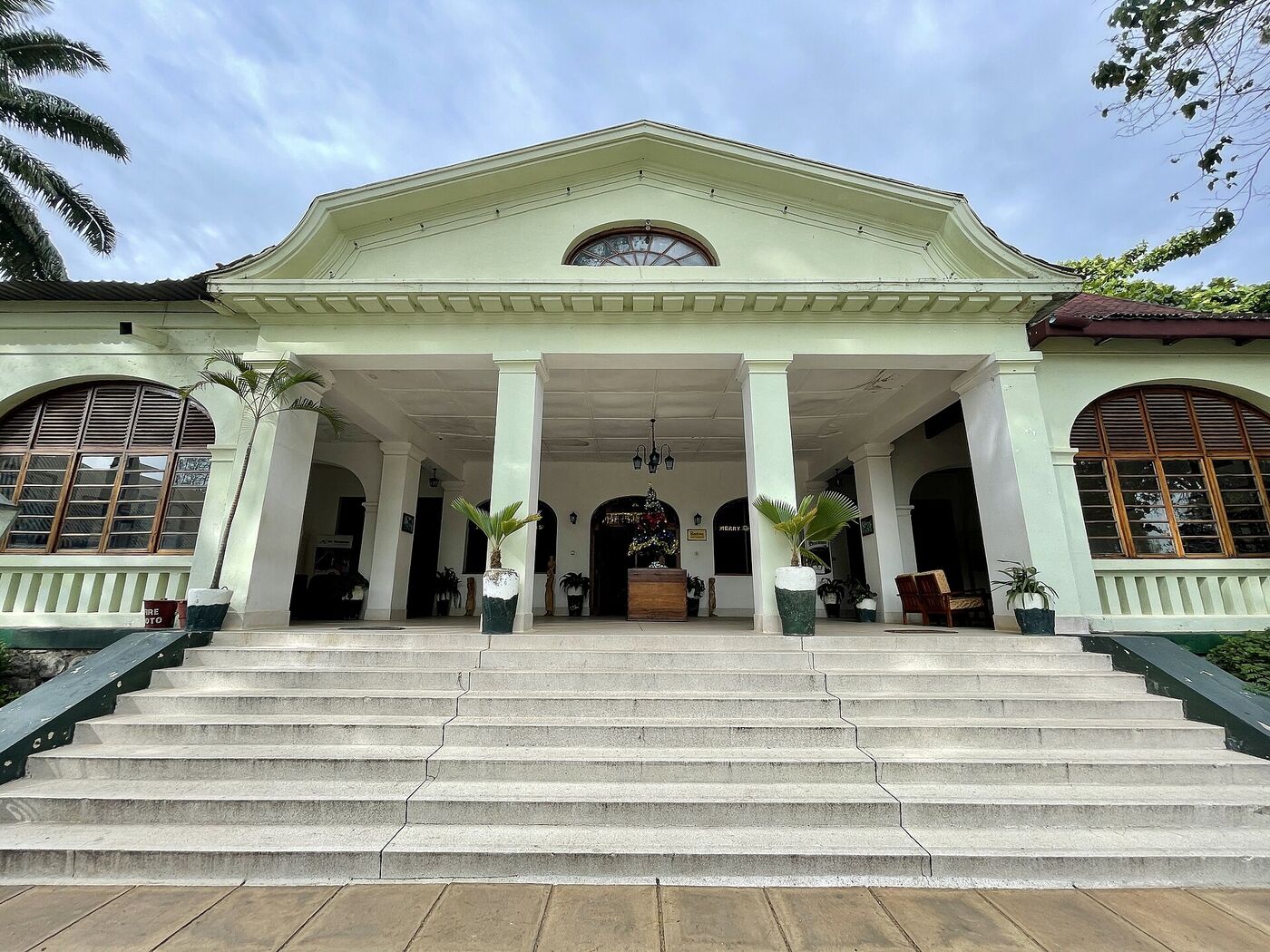
Where to stay
From the colonial Kaiserhof to mission guest houses: where to sleep in Tabora, and the hotels that have listed themselves in the directory.